 5718 Balcones Dr., Austin, TX 78731
 512-458-4103
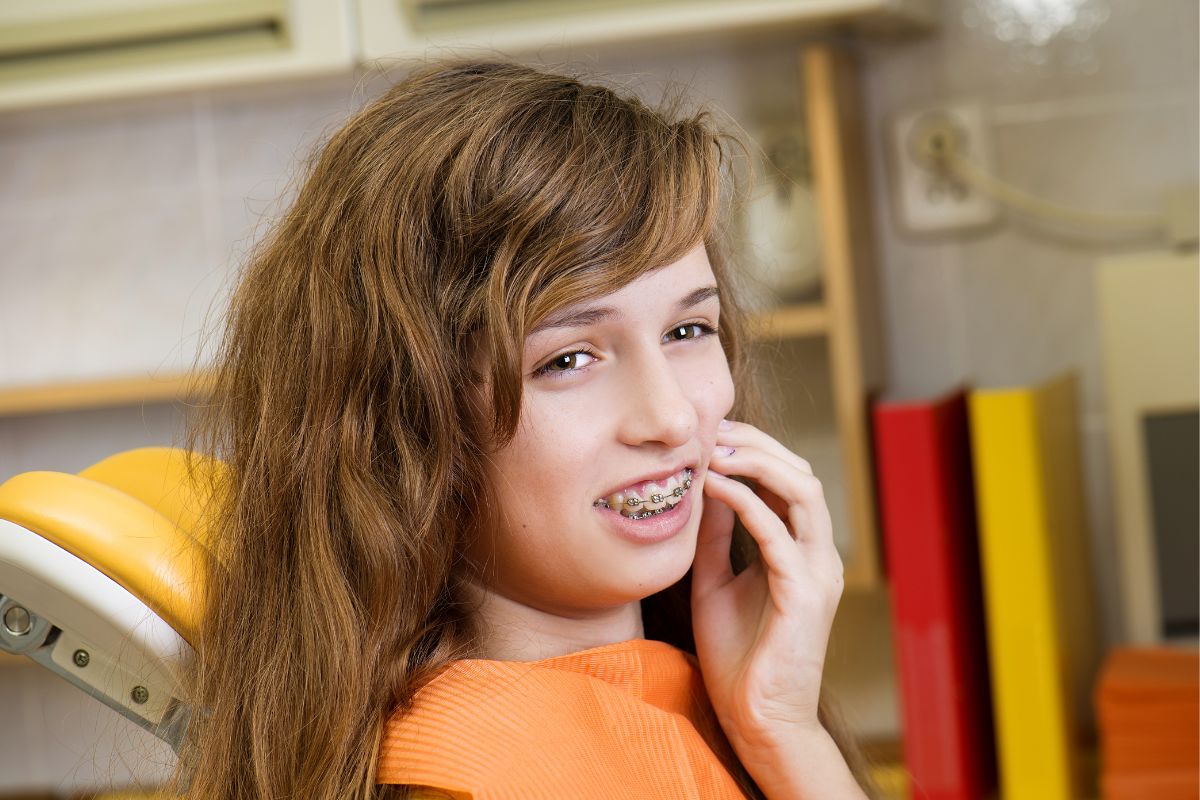
If you’ve ever winced mid-smile because a wire is digging into the inside of your cheek, you’re not alone. One of the most common complaints from patients undergoing orthodontic treatment is the discomfort caused by braces poking or irritating the soft tissues of the mouth. While it can feel alarming — especially at first, it’s usually a normal part of the process, and there are simple, effective ways to manage it.
In this guide, we’ll walk you through why this happens, how to find relief, and when it’s time to call your orthodontist.
Why Do Braces Poke Your Cheeks?
Braces work by gradually shifting your teeth into alignment using brackets, bands, and archwires. As effective as this system is, it involves small metal components sitting very close to the delicate inner lining of your cheeks and lips. Here are the most common reasons you might feel that unwanted poke:
1. A Poking Archwire
As your teeth move during orthodontic treatment, the archwire can slide forward and extend past the last bracket, creating a sharp end that jabs into your cheek. This is especially common in the early stages of treatment or after an adjustment appointment.
2. A Loose or Broken Bracket
If a bracket becomes loose, often due to eating hard or sticky foods, it can spin or shift out of position, causing it to rub against your cheek. A loose bracket also reduces the effectiveness of your treatment, so it’s important to have it repaired promptly.
3. New Braces or Recent Adjustments
Your mouth needs time to adapt. When braces are first placed, or after each tightening appointment, the hardware may feel more prominent until the soft tissues of your cheeks and lips adjust. This sensitivity usually peaks within the first 48–72 hours and gradually subsides.
4. Ligature Ties or Wire Ends
The small elastic or metal ties that hold the wire to the brackets can occasionally flip outward or loosen, creating a rough edge that irritates the surrounding tissue.
How to Get Immediate Relief at Home
While you should always consult your orthodontist for persistent discomfort, here are a few things you can do at home in the meantime:
- Orthodontic Wax: Dry the area, roll a small piece of wax into a ball, and press it firmly over the sharp bracket or wire end. It creates a smooth barrier between the metal and your cheek.
- Salt Water Rinse: Gargling with warm salt water several times a day can soothe irritated tissue and help minor sores heal faster.
- Topical Oral Anesthetics: Over-the-counter gels like Orajel can temporarily numb the affected area for short-term relief.
- Pencil Eraser Trick: In a pinch, use the eraser end of a clean pencil to gently push a poking wire flat against your tooth, but this is a temporary fix, not a solution.
When Should You Call Your Orthodontist?
While mild discomfort is expected, reach out to your orthodontist if:
- A wire is visibly sticking out beyond your last bracket, and wax won’t stay in place
- You notice a bracket is loose, broken, or spinning
- You have an open sore inside your mouth that isn’t healing
- The pain is severe or affecting your ability to eat, speak, or sleep
Never attempt to cut the wire yourself at home; you risk swallowing a piece or causing further irritation. Always let a trained professional handle it.
Tips to Prevent Braces from Poking in the First Place
- Avoid hard, crunchy, or sticky foods (popcorn, hard candy, chewing gum, ice)
- Keep all scheduled adjustment appointments so your orthodontist can monitor wire lengths
- Keep orthodontic wax with you at all times, especially during the first few months
- Report any loosened brackets immediately, rather than waiting for your next scheduled visit
Your Smile Deserves Expert Care — Austin Orthodontic Arts Is Here for You
Dealing with poking braces doesn’t have to be something you suffer through alone. At Austin Orthodontic Arts, we combine a patient-first philosophy with a genuine commitment to high-quality care, because we believe a comfortable patient is a confident patient. Whether you’re in the first week of braces or months into your orthodontic treatment journey, our experienced team is here to address every concern with precision, compassion, and expertise.
Ready to take the next step toward a straighter, healthier smile? Schedule an appointment with Austin Orthodontic Arts today, and experience the difference that personalized, expert orthodontic care can make in your life.
Frequently Asked Questions
Braces can poke your cheek due to a protruding archwire, a loose or broken bracket, or ligature ties that have shifted out of place. This is especially common after a new fitting or adjustment appointment when your mouth is still adapting to the hardware.
Yes, some poking and irritation is completely normal, particularly in the first few weeks of orthodontic treatment or after a tightening session. However, sharp or persistent pain from a poking wire or broken bracket should always be reported to your orthodontist.
No, you should never attempt to cut a brace wire at home. You risk swallowing a piece, injuring your gum tissue, or making the problem worse. Contact your orthodontist as soon as possible so they can trim or adjust the wire safely.
Most patients adjust within 2 to 4 weeks. During this period, the soft tissues of your cheeks and lips gradually toughen up and adapt to the presence of brackets and wires. If discomfort persists beyond a month, consult your orthodontist.
In most cases, no. Minor irritation and small sores heal quickly on their own. However, if a sharp wire is left unaddressed for an extended period, it can cause deeper tissue irritation. Always seek timely orthodontic care in Austin or wherever you are located to avoid prolonged discomfort.