 5718 Balcones Dr., Austin, TX 78731
 512-458-4103

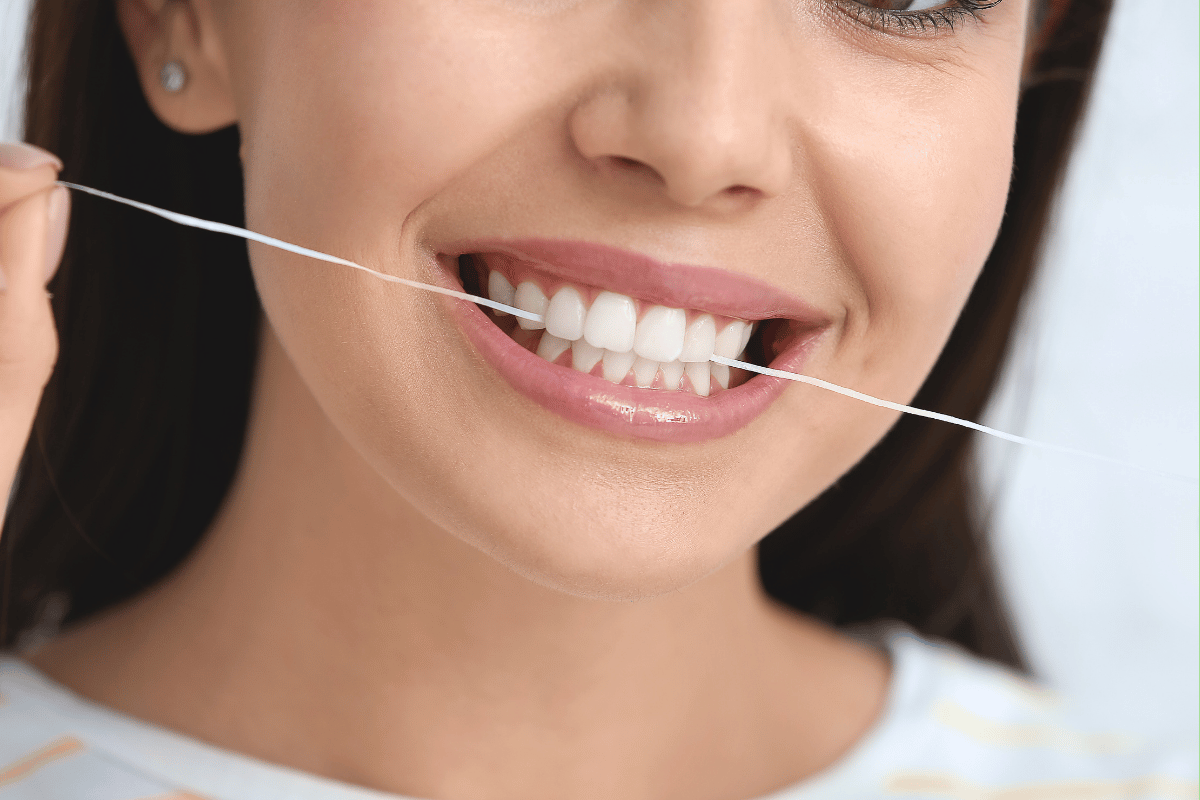
Crowded teeth can make flossing frustrating because overlapping or tightly positioned teeth leave very little room to maneuver. If floss repeatedly gets stuck, shreds, or cannot reach the gumline, the problem may not be your technique. An orthodontic evaluation can determine whether tooth alignment is making the area difficult to clean and whether treatment could create a more manageable arrangement.
Cleaning between crowded teeth still matters, though. Plaque and food can collect in places that are difficult to reach, increasing the risk of cavities and gum irritation.
Why Are Crowded Teeth Hard to Floss?
Floss works best when you can gently slide it between two teeth and curve it around each tooth near the gumline. Crowding changes that space.
One tooth may sit partly in front of another, or two teeth may be rotated so their contact points overlap. You might notice that:
- Floss will not pass through certain teeth
- Floss breaks or shreds in the same spot
- Food gets trapped between particular teeth
- Your gums bleed around crowded areas
- A toothbrush cannot reach certain surfaces easily
These problems do not necessarily mean something is wrong with the floss. The position of the teeth itself may be limiting access.
What Can You Try Before Considering Treatment?
You do not have to rely on one cleaning method. Different tools can work better for different spaces.
Try a Floss Threader
A floss threader can help guide floss into areas that are awkward to reach. This can be particularly useful when the position of one tooth makes it difficult to maneuver regular floss.
Move slowly and avoid forcing the floss through an extremely tight contact.
Consider an Interdental Brush
Small interdental brushes can clean between teeth when there is enough room for the brush to pass through. They come in different sizes, so the correct fit matters.
If the brush does not fit comfortably, do not force it. A dental professional can help you determine whether this tool makes sense for your particular tooth spacing.
Use a Water Flosser
A water flosser sends a stream of water around the teeth and along the gumline. It can be useful for reaching areas that feel awkward to clean by hand.
It should be viewed as another cleaning option rather than a reason to stop brushing or using other interdental methods.
When Does Crowding Become an Orthodontic Problem?
Some people have mild crowding that causes little trouble. Others have enough overlap that it affects everyday cleaning, chewing, or the way the upper and lower teeth fit together.
The American Association of Orthodontists recommends an orthodontic evaluation for children by age seven because an early assessment can identify developing alignment problems, although treatment may not be needed at that age.
Adults can also develop or notice increasing crowding. Teeth can shift over time, particularly after previous orthodontic treatment if retainers are not worn as directed.
If you have started struggling to clean an area that was previously easy to reach, that change is worth mentioning to an orthodontist.
Can Straightening Crowded Teeth Make Flossing Easier?
It can.
When orthodontic treatment moves overlapping or rotated teeth into better alignment, the spaces and surfaces between them may become easier to access. Better alignment can also improve how the teeth meet and may make daily brushing and interdental cleaning less frustrating.
Treatment options depend on the amount of crowding, your bite, the position of your teeth, and other factors.
Clear Aligners
Clear aligners use a series of custom trays to gradually move teeth. They can be an option for many patients who want a more discreet approach to correcting crowding.
Braces
Braces use brackets and wires to apply controlled forces that move teeth into planned positions. Modern systems can address a wide range of orthodontic problems, including crowded teeth.
Clear Braces
Clear braces work similarly to traditional braces while using tooth colored or less noticeable components. They can be considered when someone wants a less noticeable fixed orthodontic option.
An orthodontist can compare the available approaches after examining your teeth and bite.
Is Crowding Only a Cosmetic Issue?
Not necessarily.
Crowded teeth can affect more than appearance. When teeth overlap, some surfaces become harder to reach during brushing and flossing. Austin Orthodontic Arts specifically notes that crooked or crowded teeth can be difficult to clean and maintain, which may contribute to decay and gum disease.
Crowding can also occur alongside bite problems. Depending on the individual, an uneven bite can contribute to abnormal tooth wear or stress around the jaw.
That does not mean every crowded smile needs treatment. The important question is whether the alignment is creating functional or oral health concerns in addition to appearance.
What If Your Gums Bleed When You Floss?
Do not automatically assume that crowded teeth are the only reason.
Bleeding can occur when plaque remains around the gumline, particularly in areas that are difficult to clean. Using too much force can also irritate the gums.
If one crowded area consistently bleeds, feels swollen, or becomes tender, mention it during your dental or orthodontic evaluation. Persistent gum symptoms deserve attention rather than being dismissed as a normal consequence of tight teeth.
What Happens During an Orthodontic Evaluation?
The orthodontist examines your teeth, bite, jaw relationship, and overall alignment. Depending on what they find, they may use photographs, digital scans, or X rays to understand the position of your teeth and the supporting structures.
At Austin Orthodontic Arts, the first visit includes a comprehensive examination and digital scans when appropriate. The orthodontic team then discusses whether treatment is necessary and what approach may fit the patient’s needs.
You do not need to decide on treatment before the evaluation. The appointment gives you a chance to understand what is causing the crowding and what your options are.
How Can You Keep Crowded Teeth Clean?
Until an orthodontist evaluates your alignment, focus on cleaning the areas you can reach without forcing anything.
Brush twice a day with fluoride toothpaste and clean between your teeth daily. Spend extra time around overlapping teeth and check the areas where food frequently becomes trapped.
If you have tried several tools and still cannot clean between certain teeth, that is useful information to share with your orthodontist. Difficulty maintaining the area may be part of the reason an alignment evaluation is appropriate.
When Flossing Feels Impossible, Look at the Bigger Picture
If you regularly struggle to get floss between certain teeth, the issue may be more than a frustrating daily habit. Crowding can change how easily you can reach the surfaces between your teeth, and correcting the underlying alignment may make those areas easier to maintain.
Austin Orthodontic Arts provides orthodontic care for children, teens, and adults in Austin, TX. If crowded teeth are making everyday cleaning difficult, a free orthodontic exam can help you understand whether alignment is contributing to the problem and what options may be available.
When you’re ready to explore your options, find the office and plan your visit.
Frequently Asked Questions
Can crowded teeth cause cavities?
Crowding can make certain tooth surfaces harder to clean. When plaque remains in these areas, the risk of cavities can increase.
Why does my floss keep getting stuck between two teeth?
A very tight contact point or overlapping teeth can make it difficult for floss to pass through. Do not force it. An orthodontic or dental professional can check the area.
Can clear aligners fix crowded teeth?
Clear aligners can correct many cases of tooth crowding. Whether they are appropriate depends on the individual’s alignment and bite.
Do crowded teeth always need orthodontic treatment?
No. Mild crowding may not require treatment. An orthodontist can determine whether the crowding affects function, cleaning, bite, or other aspects of oral health.
Can adults get treatment for crowded teeth?
Yes. Orthodontic treatment is not limited to children and teenagers. Adults can also receive treatment for crowding and other alignment concerns.