 5718 Balcones Dr., Austin, TX 78731
 512-458-4103

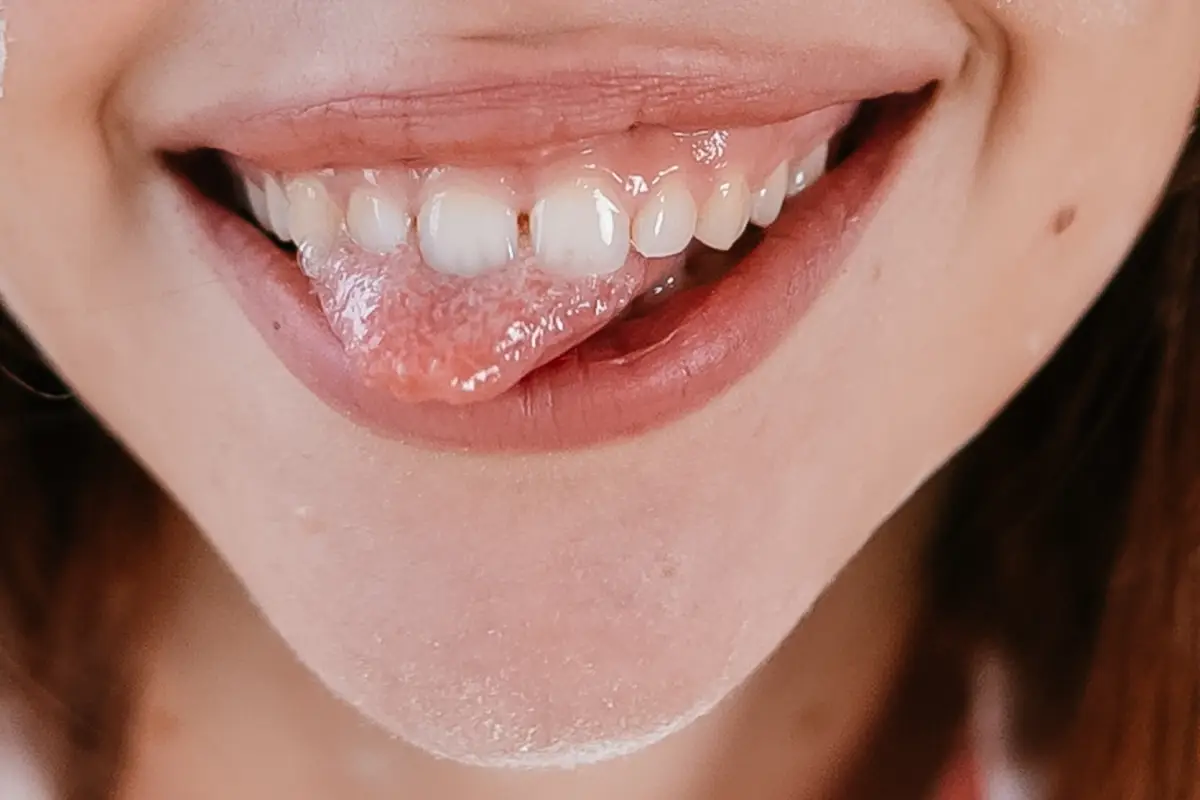
You catch your reflection in the mirror or notice it in a recent photo, and something stands out—your front teeth seem to stick out more than you’d like. Maybe it’s something you’ve always been aware of, or maybe it’s only recently caught your attention. Either way, it’s natural to wonder why it happens and whether it’s something worth looking into.
The good news is that protruding front teeth are very common. In many cases, they’re simply the result of genetics or the way the teeth and jaws developed over time.
At Austin Orthodontic Arts, we hear this question often from patients who simply want to understand why their teeth sit the way they do. For many people, addressing bite and tooth alignment issues can improve both the appearance and function of their smile. Understanding the cause is the first step toward deciding whether treatment is right for you.
What Does It Mean When Front Teeth Stick Out?
When the upper front teeth extend noticeably farther forward than the lower front teeth, it’s known as an overjet. A slight overjet is completely normal because the upper teeth naturally sit just ahead of the lower teeth. However, when that distance becomes more noticeable, it may affect both the appearance and function of your smile.
Not every overjet requires treatment, and there’s no single point where a bite suddenly becomes “abnormal.” Every person’s teeth and jaw develop differently, so the best way to understand your bite is through an orthodontic evaluation.
Common Causes of Protruding Front Teeth
Several factors can contribute to front teeth sticking out, and it’s often a combination of more than one.
Genetics
The size and shape of your jaws, along with the position of your teeth, are largely inherited. If one or both parents have a similar bite, there’s a good chance genetics played a role in yours as well.
Childhood Habits
Thumb sucking, prolonged pacifier use, and tongue thrusting place repeated pressure on the upper front teeth while they’re still developing. Over time, these habits can gradually move the teeth forward and influence the bite.
Mouth Breathing
Children who breathe through their mouths instead of their noses for long periods may experience changes in jaw development and facial growth. This can contribute to the upper teeth appearing more prominent later in life.
Early Loss of Baby Teeth
Baby teeth act as placeholders for permanent teeth. When they’re lost too early, nearby teeth can shift into the empty space, affecting how the permanent teeth erupt and sometimes leading to protruding front teeth.
Why It’s More Than Just a Cosmetic Concern
Many people first notice protruding teeth because of how they look, but appearance isn’t the only consideration.
When the upper teeth extend too far forward, it may become difficult to close the lips comfortably, which can contribute to mouth breathing and dry mouth. Some people also notice changes in speech because the tongue and lips work closely with the front teeth to produce certain sounds.
A larger overjet may also leave the front teeth more exposed during falls, sports, or accidental impacts, increasing the risk of chipped or broken teeth.
Beyond physical concerns, many people feel self-conscious about their smile. Whether it’s avoiding photos or feeling less confident in conversations, those concerns are valid and worth discussing with an orthodontist.
If you’ve noticed these changes in your own smile or your child’s, schedule an appointment with our team. We’ll evaluate your bite, explain what’s causing it, and discuss the treatment options that may be appropriate for your needs.
When Should You Have It Evaluated?
You don’t have to wait until your teeth cause pain before seeking advice.
It’s worth having your bite evaluated if:
- Your lips don’t close comfortably.
- Your front teeth seem to be becoming more prominent.
- You frequently chip or injure your front teeth.
- You’re experiencing difficulty biting or speaking.
- You’re unhappy with the appearance of your smile.
Early evaluation often makes treatment planning easier and provides a clearer understanding of what, if anything, should be done.
How Is It Typically Treated?
Treatment depends on what’s causing the teeth to stick out and the patient’s stage of growth.
For children and teenagers, orthodontic treatment may guide both the teeth and developing jaws into healthier positions. Adults can also benefit from treatment by gradually moving the teeth into better alignment using braces or clear aligners, depending on their individual needs.
The goal isn’t simply to move the front teeth backward. Orthodontic treatment focuses on creating a healthy bite, balanced function, and a smile that looks natural while improving long-term oral health.
Every patient is different, which is why a personalized evaluation is essential before recommending any treatment.
Find Out What’s Causing Your Bite Concerns
Front teeth that stick out are often the result of genetics, childhood habits, or natural jaw development rather than something you’ve done wrong. Understanding the cause can help you make informed decisions about your oral health and determine whether treatment could improve both the function and appearance of your smile.
At Austin Orthodontic Arts, we take the time to explain what we’re seeing, answer your questions, and discuss your options in a comfortable, pressure-free environment. Visit our Austin orthodontic office to learn more about what may be causing protruding front teeth and how orthodontic treatment can help create a healthier, more balanced smile.
FAQ
Are protruding front teeth the same as an overbite?
Not exactly. Protruding front teeth usually refer to an overjet, where the upper front teeth extend farther forward than the lower teeth. An overbite describes how much the upper teeth vertically overlap the lower teeth.
Can thumb sucking cause front teeth to stick out?
Yes. Prolonged thumb sucking or extended pacifier use during childhood can place pressure on the upper front teeth, gradually moving them forward as the mouth develops.
Can adults fix protruding front teeth?
Yes. Orthodontic treatment can often improve the position of protruding front teeth in adults. The most appropriate treatment depends on the severity of the bite and the underlying cause.
When should I see an orthodontist if my front teeth stick out?
It’s a good idea to schedule an evaluation if your front teeth affect your bite, make it difficult to close your lips comfortably, increase the risk of injury, or if you’re unhappy with the appearance of your smile.