 5718 Balcones Dr., Austin, TX 78731
 512-458-4103

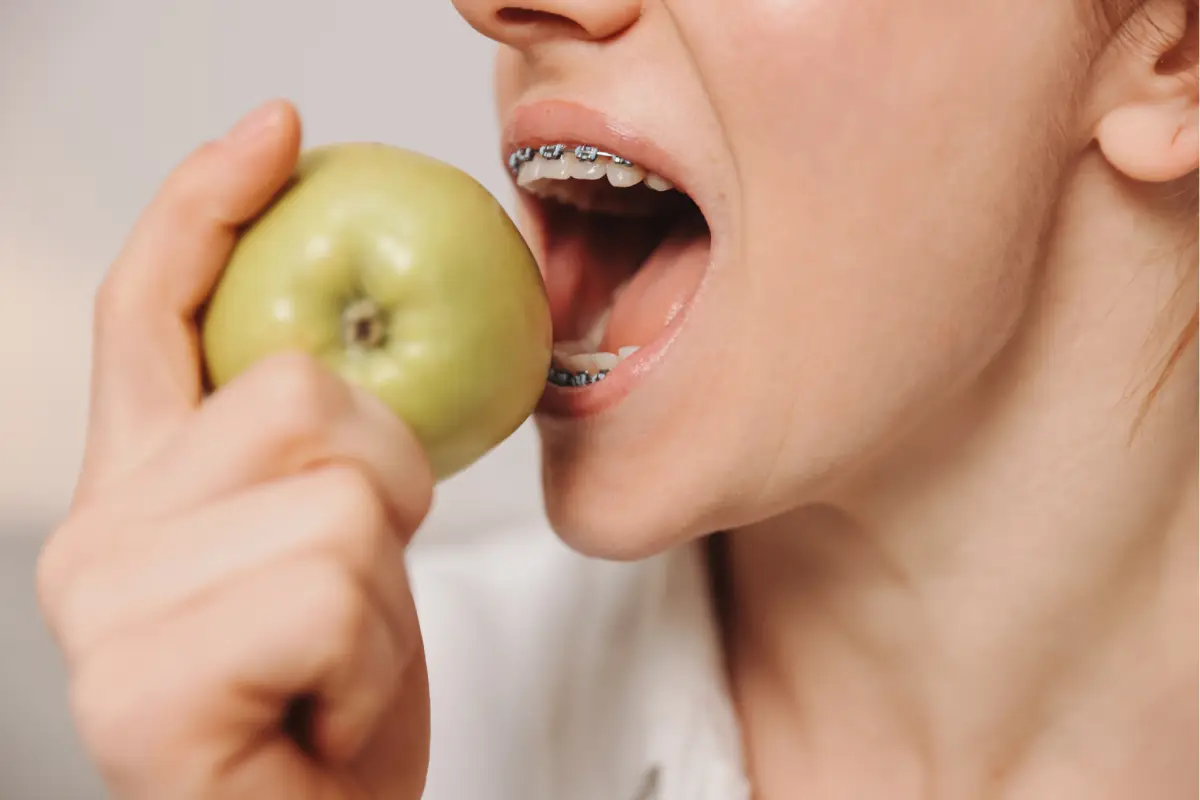
Most people never think twice about biting into an apple, a sandwich, or a slice of pizza—until one day it doesn’t feel quite right. Maybe your front teeth no longer grip food the way they used to, or you find yourself tearing food with the side of your mouth instead.
While it might feel like a minor inconvenience at first, an uncomfortable bite is often a sign of an underlying alignment issue. Your teeth and jaws are designed to work together like a team, and when that balance shifts, everyday activities like eating, speaking, and smiling can become a struggle.
Your Teeth Are Designed to Work Together
Every tooth has a specific job. Your front teeth are built to grip and tear food, while your back teeth break it down for swallowing. When your bite is properly aligned, this process happens naturally.
Problems begin when the upper and lower teeth stop fitting together correctly. Instead of biting cleanly through food, you may find yourself pulling harder, chewing strictly on one side, or avoiding certain foods altogether. Because these changes often develop slowly and without immediate pain, many people adapt to an unhealthy bite without even realizing it.
Common Causes of a Shifting Bite
A bite rarely changes overnight. Most often, gradual shifts over several years alter how your teeth meet. Common orthodontic culprits include:
- Open Bite: One of the most common is an open bite. Because the upper and lower front teeth don’t touch when you close your mouth, foods like apples, burgers, or sandwiches become surprisingly difficult to bite into. Instead of using your front teeth, you may find yourself relying on your back teeth.
- Deep Overbite: Another common cause is a deep overbite. When the upper front teeth overlap the lower teeth too much, they cannot work together efficiently. Over time, this may place extra pressure on certain teeth and make eating feel uncomfortable.
- Crossbite: A crossbite can also interfere with normal chewing. Since some upper teeth bite inside the lower teeth instead of outside them, pressure isn’t distributed evenly across your mouth. This can affect both comfort and long-term oral health.
- Gradual Tooth Movement: Finally, teeth naturally shift over time. Even people who once had straight teeth may notice small changes as they get older. These gradual movements can eventually affect how the upper and lower teeth fit together.
When is it serious? While minor soreness is normal after recent dental work, a persistent or worsening bite issue deserves professional attention. Uneven biting forces can eventually lead to excessive enamel wear, chipped teeth, muscle fatigue, and strain on your jaw joints (TMJ).
Can This Problem Get Worse?
Difficulty biting into food isn’t something that usually fixes itself. When your teeth no longer meet correctly, certain teeth absorb more pressure than others every time you chew. Over months or years, this can lead to uneven enamel wear, chipped teeth, jaw fatigue, and additional bite changes. Seeking treatment early often helps prevent these problems from becoming more complicated.
How Orthodontic Treatment Can Help
The good news is that most bite problems can be corrected once the root cause is identified. An orthodontist evaluates how your entire mouth functions—including jaw alignment and pressure distribution—rather than just looking at individual crooked teeth.
Depending on your age and the cause of your bite problem, personalized orthodontic treatment may include braces or clear aligners designed to improve the way your teeth fit together.
- Traditional Braces: Ideal for complex bite issues, offering precise control over major tooth and jaw movements.
- Ceramic Braces: Provide the same structural benefits as metal braces but use clear or tooth-colored brackets to blend in naturally.
- Clear Aligners: A highly discreet option well-suited for mild to moderate alignment and bite concerns.
What to Expect at Your Evaluation
If you frequently bite the inside of your cheek, notice uneven wear on your teeth, or feel your jaw shift when you close your mouth, it’s time to schedule an evaluation.
During your first visit, your orthodontist will examine how your teeth fit together using digital photographs, diagnostic images, and X-rays when needed. They will also evaluate how your upper and lower jaws work together, look for signs of uneven tooth wear, and identify areas where excessive pressure is being placed during chewing. This comprehensive evaluation helps determine the underlying cause of your bite problem so the most appropriate treatment can be recommended.
Schedule Your Consultation
Eating shouldn’t be frustrating. For families in Austin, catching these structural issues early prevents unnecessary damage to your teeth and jaw down the road.
At Austin Orthodontic Arts, we believe orthodontic treatment should improve more than the appearance of your smile—it should help you eat comfortably and protect your long-term oral health. If your bite no longer feels natural, our team can identify the cause and recommend the treatment that’s right for you. Schedule your consultation today to take the first step toward a healthier, more functional smile.
Ready to take the next step? Visit our Austin orthodontic office to schedule your consultation and start your journey toward a healthier, more functional smile.
Frequently Asked Questions
Why can’t I bite into foods like apples or sandwiches anymore?
This typically happens when an open bite, overbite, or shifting teeth prevent your front teeth from meeting properly, robbing you of the leverage needed to tear food.
Can crooked teeth affect the way I eat?
Yes. Misaligned or crowded teeth throw off weight distribution, forcing certain teeth to absorb dangerous amounts of pressure while making chewing less efficient.
Will braces or aligners fix my bite?
Yes. Both treatments are designed to guide teeth and jaws into healthier positions, though severe bite misalignments often respond best to traditional or ceramic braces.