 5718 Balcones Dr., Austin, TX 78731
 512-458-4103
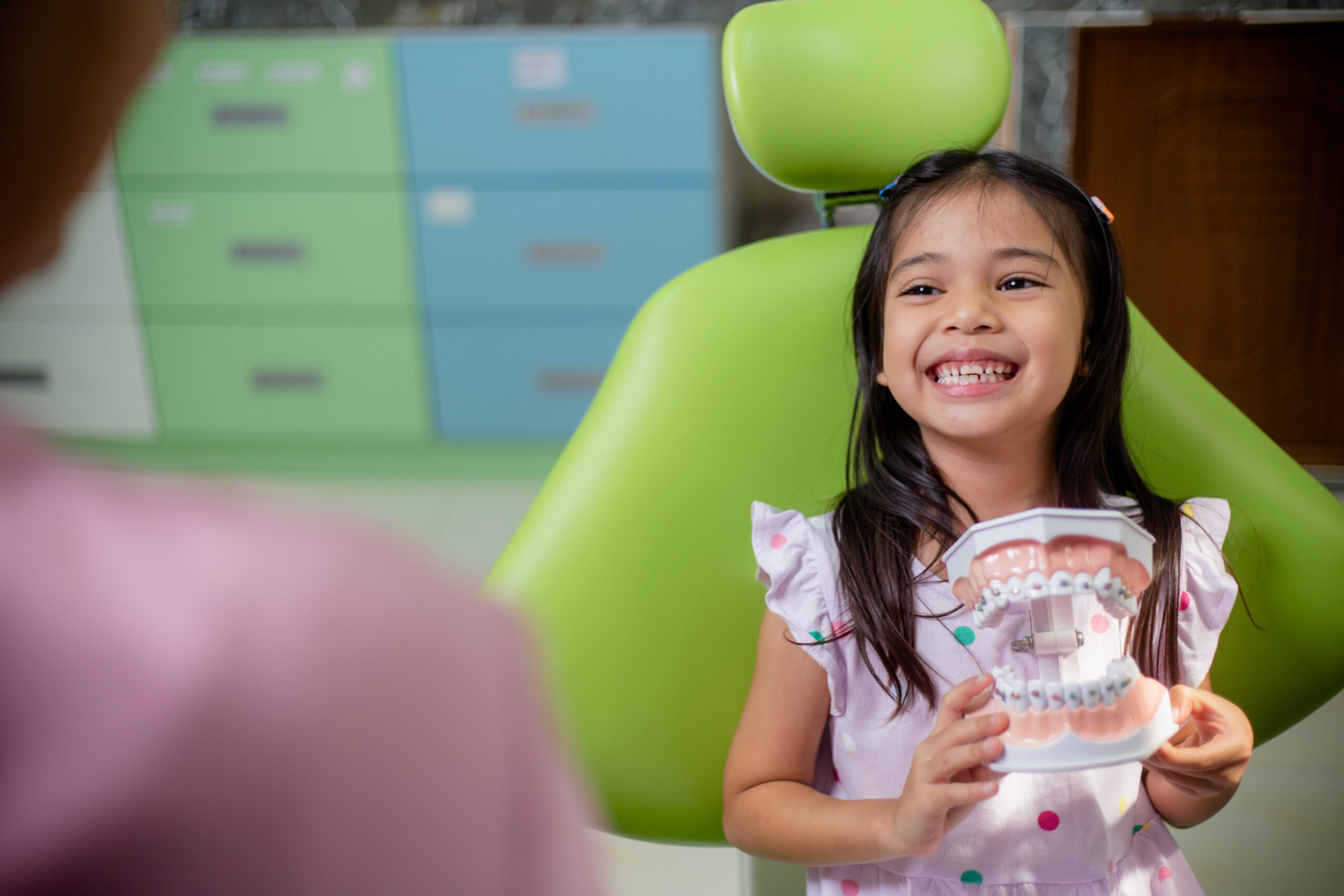
When children begin their orthodontic journey, one of the most common concerns parents have is whether discomfort or pain is normal after braces are placed. The short answer is yes—mild to moderate discomfort is a natural part of the adjustment process. However, understanding what kind of pain is expected and how long it lasts can help parents and children feel more prepared and confident.
In this blog, we will get to know why this discomfort happens, what your child may experience, and how a patient-centered approach to kids’ orthodontic treatment helps ensure a smoother, more comfortable experience.
Why Do Kids Feel Pain After Getting Braces?
Braces work by applying gentle, consistent pressure to gradually move teeth into better alignment. This process affects not only the teeth but also the surrounding bone and tissues.
The Science Behind the Discomfort
When braces are first applied, or when adjustments are made, the pressure creates movement in the teeth. This movement triggers a temporary inflammatory response in the surrounding tissues, which can cause soreness.
This is a normal biological process and a sign that the treatment is working as intended. However, if your child experiences prolonged or unusual discomfort, our kids’ orthodontist in Austin can help evaluate the situation, provide relief, and ensure everything is progressing safely and comfortably.
What Type of Pain Is Considered Normal?
Not all discomfort is the same, but there are common experiences most children report during the early stages of wearing braces.
1. Soreness and Pressure
Children often feel a dull, aching sensation in their teeth, especially when biting or chewing. This typically begins a few hours after the braces are placed and may last for several days.
2. Sensitivity While Eating
Foods that require chewing may feel uncomfortable initially. This is why softer food choices are often preferred during the first few days.
3. Mild Irritation in the Mouth
Brackets and wires may rub against the inner cheeks or lips, causing minor irritation until the mouth adjusts.
How Long Does the Pain Last?
For most children, discomfort is temporary.
- First 24–72 hours: This is when soreness tends to be the most noticeable.
- Within one week, Most children adapt, and the discomfort significantly decreases.
- After adjustments: Mild soreness may return briefly after tightening appointments.
Every child is different, but the key point is that this discomfort should gradually improve—not worsen over time.
When Should Parents Be Concerned?
While some discomfort is expected, certain signs may indicate a need for professional evaluation:
- Sharp or severe pain that does not improve
- Broken brackets or poking wires are causing injury
- Swelling or signs of infection
- Pain that interferes with daily activities beyond a few days
A patient-centered approach in kids’ orthodontic treatment focuses on monitoring these concerns closely to ensure your child’s comfort and safety throughout the process.
How to Help Your Child Manage Braces Discomfort
Parents play an important role in helping children adjust to braces. There are several simple ways to ease discomfort during the initial phase.
Encourage Soft Foods
Foods like yogurt, mashed potatoes, soups, and smoothies are easier to eat and reduce pressure on sore teeth.
Maintain Good Oral Hygiene
Keeping the mouth clean prevents additional irritation and supports overall oral health during treatment.
Use Orthodontic Wax
Wax can be applied to brackets or wires that are irritating, creating a smooth surface against the cheeks and lips.
Provide Reassurance
Children may feel anxious about the discomfort. Reassuring them that this is temporary and part of the process can make a big difference.
The Role of a Patient-Centered Approach in Kids’ Orthodontic Treatment
Every child’s experience with braces is unique. A thoughtful, patient-centered approach ensures that care is tailored to each child’s needs, comfort level, and response to treatment.
This includes:
- Monitoring how the child adapts to braces
- Making gentle, precise adjustments
- Providing clear guidance to parents and children
- Prioritizing comfort while maintaining effective treatment progress
A commitment to high-quality care means focusing not just on results, but also on the overall experience throughout the orthodontic journey.
Building Confidence Through the Process
While the initial days with braces may come with some discomfort, most children adapt quickly and continue their daily routines without major issues. Over time, they become more comfortable, and the process feels like a normal part of life.
Helping children understand what to expect—and supporting them through those first few days—can make the transition much smoother.
Your Child’s Comfort Matters—Take the Next Step with Confidence
Understanding that mild discomfort is a normal part of braces can help ease concerns and set realistic expectations. With the right guidance and a patient-focused approach, kids’ orthodontic treatment becomes a positive and manageable experience that supports long-term oral health and confidence.
At Austin Orthodontic Arts, we take pride in delivering thoughtful, high-quality care designed around your child’s comfort and well-being. Our team is here to support your family every step of the way. Schedule an appointment today and let us help your child achieve a healthier, more confident smile.