 5718 Balcones Dr., Austin, TX 78731
 512-458-4103
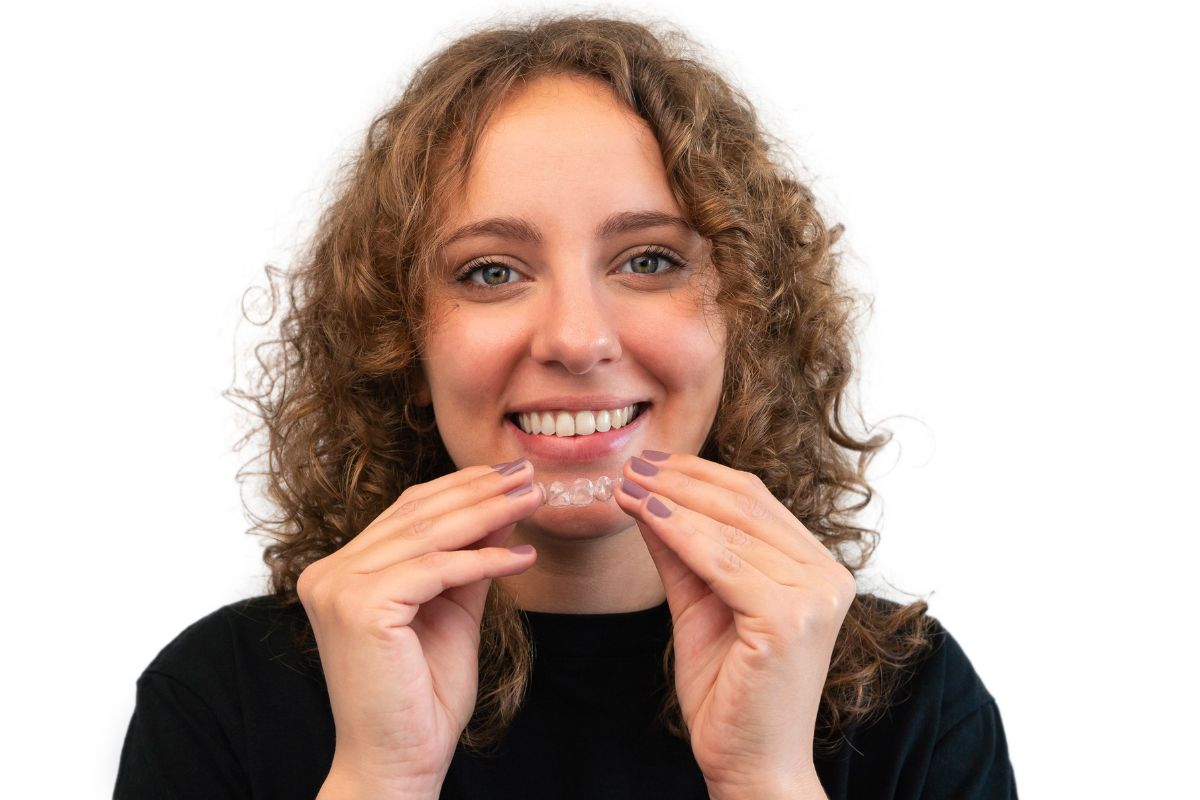
Clear aligners have changed the way people think about orthodontic care. They’re discreet, removable, and designed to fit comfortably into busy adult lifestyles. But if you smoke, you may be wondering: Can you smoke while using clear aligners?
If you’re considering a clear aligner in Austin, this is an important question to address before starting treatment. Your daily habits can directly affect both your results and your overall oral health. Let’s take a closer look at what smoking does to your aligners—and your smile.
Why Smoking and Clear Aligners Don’t Mix
Clear aligners are made of medical-grade transparent plastic and are designed to be worn 20–22 hours a day. Their clarity and snug fit are essential to effective tooth movement. Smoking while wearing them can interfere with both.
1. Staining and Discoloration
Nicotine and tar can quickly stain clear plastic. Even light smoking can cause your trays to turn yellow or brown. Because aligners are meant to be virtually invisible, discoloration defeats their main aesthetic advantage.
If you’re investing in a clear aligner for a more confident smile, stained trays may make you feel self-conscious during treatment.
2. Odor and Bacterial Buildup
Smoke residue can cling to aligners, creating a persistent odor and encouraging bacterial growth. Since aligners fit tightly over your teeth, trapped bacteria increase your risk of:
- Gum inflammation
- Tooth decay
- Bad breath
- Enamel staining
Orthodontic treatment should enhance your smile—not create new oral health concerns.
3. Heat Damage to the Aligners
Cigarette smoke produces heat, which can slightly warp the aligner material over time. Even subtle changes in shape can affect how precisely your teeth move. Clear aligners rely on consistent, controlled pressure. If the trays distort, treatment progress may slow down.
What Happens If You Remove Aligners to Smoke?
Some patients ask if they can simply remove their aligners before smoking. While this may prevent staining, it introduces another issue: wear time.
Clear aligners must be worn consistently to stay on schedule. Removing them multiple times a day for smoking can reduce total wear time and compromise results. If aligners aren’t worn for the recommended 20–22 hours daily, you may experience:
- Delayed tooth movement
- Extended treatment time
- Poor tray fit
Consistency is key for any crowded teeth solution, especially when using clear aligners. Skipping wear time, even for short breaks, adds up.
The Impact of Smoking on Orthodontic Results
Smoking doesn’t just affect the tissues—it affects your body’s healing response.
Orthodontic treatment works by gently shifting teeth through the bone. This process depends on healthy gums and proper blood flow. Smoking reduces circulation, slows healing, and increases the risk of gum disease. That means:
- Teeth may move more slowly
- Gum irritation may worsen
- Long-term stability could be affected
If you’re seeking a reliable solution for crowded teeth, healthy gum tissue is essential for predictable, lasting results.
Increased Risk of Gum Disease During Treatment
Clear aligners are removable, making oral hygiene easier than with traditional braces. However, smoking significantly increases your risk of periodontal disease.
When gum tissue becomes inflamed or infected, it can:
- Weaken the support structure of your teeth
- Cause bone loss
- Interfere with orthodontic progress
Patients who smoke during aligner treatment must be especially diligent about brushing, flossing, and thoroughly cleaning their trays.
Tips for Smokers Considering Clear Aligners
If you’re not ready to quit smoking entirely, there are steps you can take to protect your treatment:
Always Remove Aligners Before Smoking
Never smoke while wearing your trays.
Rinse and Brush Before Reinserting
Clean your teeth before putting aligners back in to reduce residue and odor.
Clean Aligners Properly
Use approved cleaning solutions daily. Avoid harsh chemicals that could damage the plastic.
Monitor Your Gums
Watch for signs of redness, bleeding, or swelling and address them promptly.
That said, many patients use orthodontic treatment as motivation to reduce or quit smoking. Not only does this protect your aligners—it dramatically improves your oral and overall health.
Can Smoking Affect Long-Term Smile Outcomes?
Yes. Even after treatment is complete, smoking can stain teeth and weaken gum support. Aligners may straighten your smile, but smoking can dull its brightness and compromise stability.
If you are investing in a clear aligner in Austin, protecting that investment means protecting your oral health. Clear aligners are designed to deliver a comfortable, discreet, and effective solution for crowded teeth—but lifestyle habits matter.
Is It Better to Quit Before Starting Clear Aligners?
While it’s not mandatory, quitting or significantly reducing smoking before treatment can improve your experience. Patients who don’t smoke experience:
- Better gum health
- Less staining
- More predictable results
- Fresher breath
- Greater overall satisfaction
Orthodontic treatment is a commitment to your smile. Making supportive lifestyle changes improves outcomes.
Your Smile Deserves the Best Care
Clear aligners are an advanced and comfortable way to straighten teeth, but they require responsibility and consistency. Smoking can compromise aesthetics, oral health, and treatment efficiency. If you’re exploring clear aligners in Austin as a trusted solution for crowded teeth, understanding how your habits affect your progress is essential.
Ready to Protect Your Smile and Start Your Clear Aligner Journey?
A healthier smile begins with informed choices. At Austin Orthodontic Arts, we believe in educating our patients so they can make confident decisions about their orthodontic care. Our team takes a patient-centered approach, focusing on precision, comfort, and long-term oral health outcomes. If you’re considering clear aligners and want guidance tailored to your lifestyle, we’re here to help. Schedule an appointment today and take the next step toward a straighter, healthier smile with our dental clinic.