 5718 Balcones Dr., Austin, TX 78731
 512-458-4103

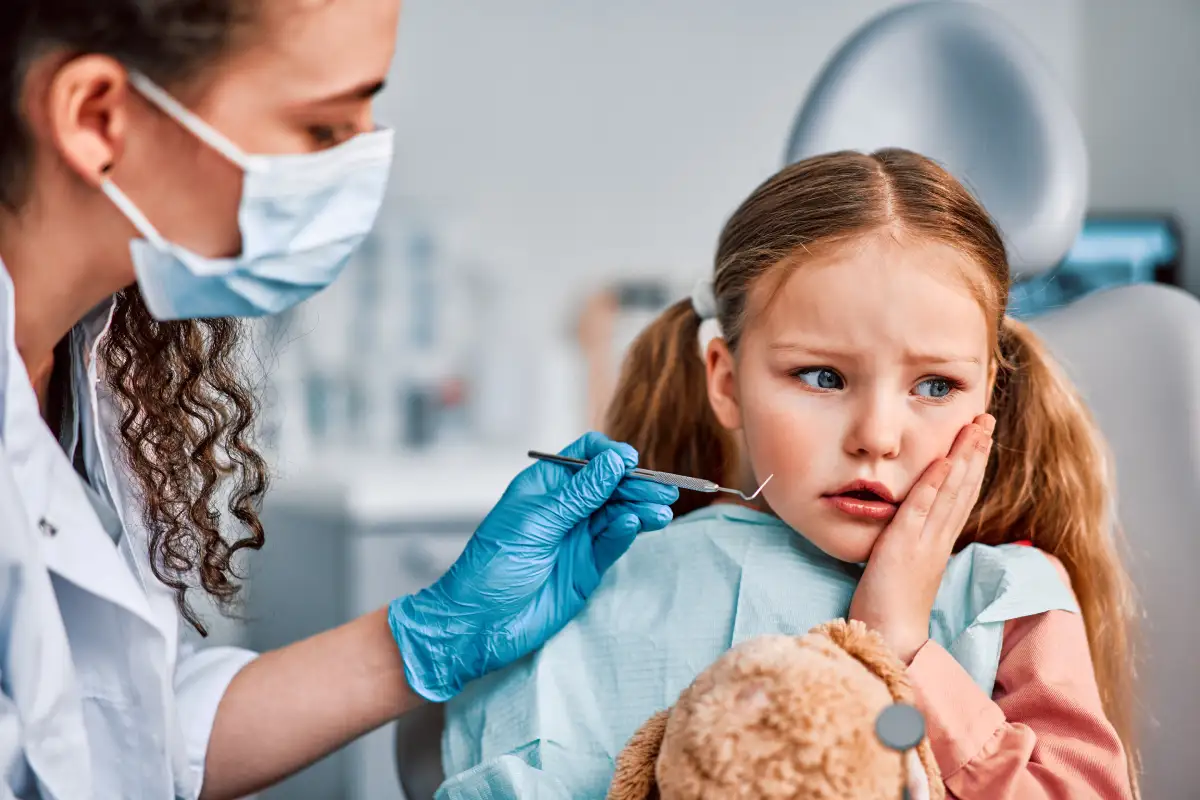
Mealtimes can become frustrating when a child takes much longer than expected to finish food, avoids certain textures, or frequently struggles to chew. While occasional difficulty with a tough or unfamiliar food is normal, ongoing problems may be worth paying attention to.
Child difficulty chewing teeth can sometimes be connected to the way the teeth come together. Crowding, an uneven bite, missing teeth, or other alignment concerns can make it harder for a child to break down food comfortably. However, dental alignment is not the only possible reason, so understanding the pattern of the problem matters.
What Should Normal Chewing Look Like?
Children develop chewing skills gradually. Younger children may take longer to manage certain foods, while older children generally become more efficient as their jaw muscles, teeth, and coordination develop.
A child may occasionally struggle with chewy meat, crunchy vegetables, or foods with unusual textures without having an underlying dental problem.
The concern is more about persistent difficulty. If your child regularly avoids foods that require chewing, pockets food in the cheeks, chews only on one side, or seems uncomfortable while eating, it may be worth discussing with a dental or orthodontic professional.
How Can Teeth Affect Chewing?
Teeth need to meet in a coordinated way to cut, tear, and grind food. When the bite is significantly misaligned, some teeth may not make proper contact.
This can happen with several types of bite problems, including:
- Crossbite
- Open bite
- Significant overbite
- Crowded teeth
- Teeth that are rotated or poorly positioned
- Uneven spacing
When the upper and lower teeth do not meet as expected, a child may find certain foods harder to chew.
Crowding
When there is not enough room for permanent teeth, they may grow in at unusual angles or overlap neighboring teeth. This can affect the way the teeth contact each other during chewing.
Crossbite
A crossbite occurs when some upper teeth sit inside the lower teeth when the child bites down. Depending on which teeth are involved, this can interfere with normal chewing on one or both sides.
Open Bite
With an open bite, certain upper and lower teeth do not meet when the mouth is closed. This can make it difficult to bite into or break apart some foods.
Uneven Tooth Position
Even when a child’s overall bite appears fairly normal, individual teeth that are significantly out of position can affect how food is handled.
Could a Bite Problem Be Causing the Difficulty?
Sometimes, but not always.
Chewing involves more than the teeth. Jaw movement, muscle coordination, oral habits, sensory preferences, and other factors can influence how a child eats.
That is why it is better not to assume that an orthodontic problem is responsible based on chewing difficulties alone. An evaluation can help determine whether the teeth and bite are contributing to what you are noticing.
Signs Your Child’s Bite May Be Affecting Chewing
Pay attention if your child consistently:
- Chews on only one side
- Avoids foods that require more chewing
- Takes an unusually long time to finish meals
- Has difficulty biting into certain foods
- Frequently pockets food inside the cheeks
- Complains that chewing hurts or feels uncomfortable
- Has noticeably crowded or overlapping teeth
- Has teeth that do not seem to meet properly
One sign by itself does not necessarily indicate an orthodontic problem. A combination of several signs may be more meaningful.
What About Children Who Are Still Losing Baby Teeth?
It is normal for a child’s bite and tooth alignment to change as baby teeth fall out and permanent teeth come in. Temporary gaps, uneven-looking teeth, and changes in chewing can occur during this transition.
However, that does not mean every concern should simply be ignored until all permanent teeth appear.
Some developing bite problems are easier to understand when they are evaluated while a child is still growing. An orthodontic assessment can help determine whether the bite is developing normally or whether monitoring or treatment may be appropriate.
When Should You Have Your Child’s Bite Checked?
You do not need to wait until your child is a teenager to ask about a potential orthodontic concern.
If chewing remains difficult or you notice that your child’s teeth do not fit together properly, an orthodontic evaluation can provide useful information. The goal is not automatically to start treatment. In some cases, the best recommendation may simply be to monitor how the teeth and jaws develop.
Children do not necessarily need to wait until their teenage years for an orthodontic evaluation. Depending on the concern, orthodontic treatment can be considered at different stages of childhood and adolescence. An evaluation can help determine whether your child’s bite is developing as expected or whether it would be helpful to monitor or address the issue.
What Can Parents Do in the Meantime?
While you are figuring out what may be causing the problem, avoid pressuring your child to eat foods that consistently cause difficulty.
You can also observe what happens during meals. Does your child struggle with all foods or only certain textures? Do they chew on one side? Do they complain of discomfort? These details can be useful when discussing the problem with a dental professional.
Continue encouraging regular brushing and routine dental visits as well. Keeping track of changes in your child’s teeth and bite can make it easier to recognize when something is different.
Helping Your Child Chew Comfortably
Difficulty chewing does not always mean there is a problem with your child’s teeth. Food preferences, changing teeth, jaw development, and other factors can all affect how a child eats.
Still, bite alignment affecting chewing is something worth considering when your child regularly struggles with firmer foods, chews mostly on one side, or seems unable to bring the teeth together comfortably. An orthodontic evaluation can help determine whether the bite is playing a role and whether anything needs to be monitored or treated.
If you decide an evaluation would be helpful, here’s the office location and directions for when you’re ready to come in.
Frequently Asked Questions
Can crooked teeth make chewing difficult for children?
They can. Significantly crowded or poorly positioned teeth may affect how the upper and lower teeth meet and make some foods harder to chew.
Is difficulty chewing always caused by the teeth?
No. Chewing involves the teeth, jaws, muscles, coordination, and sensory preferences. Dental alignment is only one possible factor.
Should my child see an orthodontist for chewing problems?
If the difficulty is persistent or occurs along with noticeable bite or alignment concerns, an orthodontic evaluation may help determine whether the teeth are contributing.
Can children have orthodontic evaluations before all their permanent teeth come in?
Yes. An evaluation can help monitor how the teeth and jaws are developing and identify certain bite concerns early.
Does every child with a bite problem need braces?
No. Treatment depends on the child’s age, dental development, type of bite problem, and severity. Sometimes monitoring is appropriate.