 5718 Balcones Dr., Austin, TX 78731
 512-458-4103
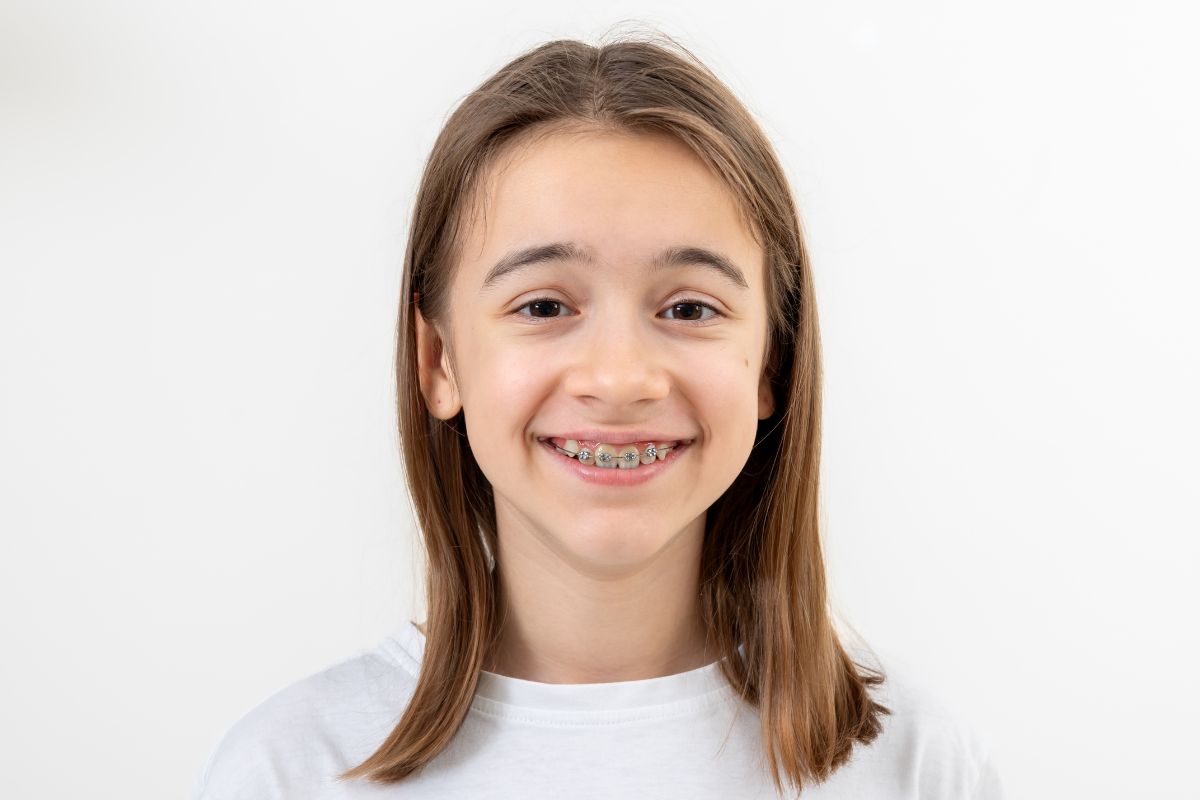
You’ve taken an important step in your child’s smile journey—but now you might be wondering, “Are the braces actually working?” It’s a common question for parents, especially in the early months of treatment when changes can feel slow or hard to notice.
The good news is that braces are designed to work gradually and precisely. Understanding what progress looks like can give you peace of mind and help you stay confident in your child’s orthodontic journey.
What Progress Looks Like in Kids’ Orthodontic Treatment
Subtle Changes Are the First Signs
In the beginning, improvements may not be dramatic. Teeth don’t shift overnight, and early progress often involves small adjustments that lay the foundation for bigger changes later.
You may notice:
- Slight movement in crowded or crooked teeth
- Small gaps are forming as teeth begin to reposition
- Improved alignment in certain areas
These early signs indicate that the kids’ orthodontic treatment is working as intended.
Key Indicators That Braces Are Working
1. Teeth Are Gradually Moving
The most obvious sign is movement. Even if it’s subtle, shifting teeth means the braces are applying the right amount of pressure.
Movement may include:
- Teeth becoming straighter
- Gaps opening or closing
- Overlapping teeth are starting to separate
Consistency in these changes is a strong indicator of progress.
2. Bite Alignment Is Improving
Braces don’t just straighten teeth—they also correct how the upper and lower teeth fit together.
Signs of improvement include:
- Better alignment when your child bites down
- Reduced overbite, underbite, or crossbite issues
- Less strain when chewing
A kids’ orthodontist carefully monitors these changes to ensure proper function and appearance.
3. Regular Adjustments Show Progress
During follow-up visits, adjustments are made to guide teeth into the correct position. If these adjustments continue as planned, it means treatment is progressing.
Each adjustment builds on previous changes, gradually moving teeth closer to their ideal alignment.
4. Your Child Feels Mild Discomfort After Adjustments
While no one enjoys discomfort, mild soreness after adjustments is actually a positive sign. It means the braces are actively working to shift the teeth.
This discomfort is usually temporary and part of the natural process of kids’ orthodontic treatment.
5. Oral Hygiene Remains Manageable
As teeth begin to align properly, it may become easier for your child to brush and floss effectively. Improved spacing can support better oral hygiene, which is another indirect sign of progress.
When Progress Feels Slow: What Parents Should Know
Orthodontic Treatment Takes Time
It’s normal to feel like progress is slow, especially in the first few months. Teeth move at a biological pace, and rushing the process can cause complications.
Patience is key—steady, controlled movement leads to better long-term results.
Every Child’s Smile Is Unique
No two treatment plans are exactly the same. Some children may see more visible results sooner, while others require more time, depending on their specific needs.
A kids’ orthodontist evaluates each case individually, ensuring a personalized and patient-centered approach.
Signs That May Need Attention
While most treatments progress smoothly, it’s helpful to stay aware of potential concerns:
- Brackets or wires that appear broken or loose
- No visible changes over an extended period
- Persistent or unusual discomfort
- Difficulty maintaining oral hygiene
If you notice any of these, it’s important to seek professional guidance to keep treatment on track.
How Parents Can Support the Process
Encourage Consistency
Helping your child follow instructions—like maintaining good oral hygiene and avoiding certain foods—can support steady progress.
Stay Observant, Not Overly Concerned
It’s natural to check your child’s smile often, but remember that changes happen gradually. Trusting the process and maintaining regular check-ins can make a big difference.
Build Positive Habits
Reinforcing good habits during treatment not only supports results but also helps your child develop lifelong oral health practices.
Confidently Supporting Your Child’s Smile Journey
Understanding how to tell if braces are working can help you feel more confident and involved in your child’s progress. From subtle early shifts to noticeable alignment improvements, each step plays a role in building a healthier, more balanced smile.
At Austin Orthodontic Arts, we believe in guiding families with clarity, expertise, and a commitment to high-quality care. Our dental clinic is here to support your child’s smile journey with a personalized, patient-focused approach—schedule an appointment today to ensure your child’s orthodontic progress stays on the right track.
Frequently Asked Questions
Most parents start noticing small changes within a few months, but visible progress can vary depending on your child’s specific alignment needs.
If there’s no visible movement over time, frequent breakages, or ongoing discomfort, it’s a good idea to consult a kids’ orthodontist for evaluation.
Mild soreness, especially after adjustments, is normal and often a sign that the braces are actively moving the teeth.
Braces don’t stop working, but issues like broken brackets, missed adjustments, or poor habits can slow progress.
Braces are highly effective for many concerns, but the outcome depends on the individual case and how the teeth respond over time.