 5718 Balcones Dr., Austin, TX 78731
 512-458-4103
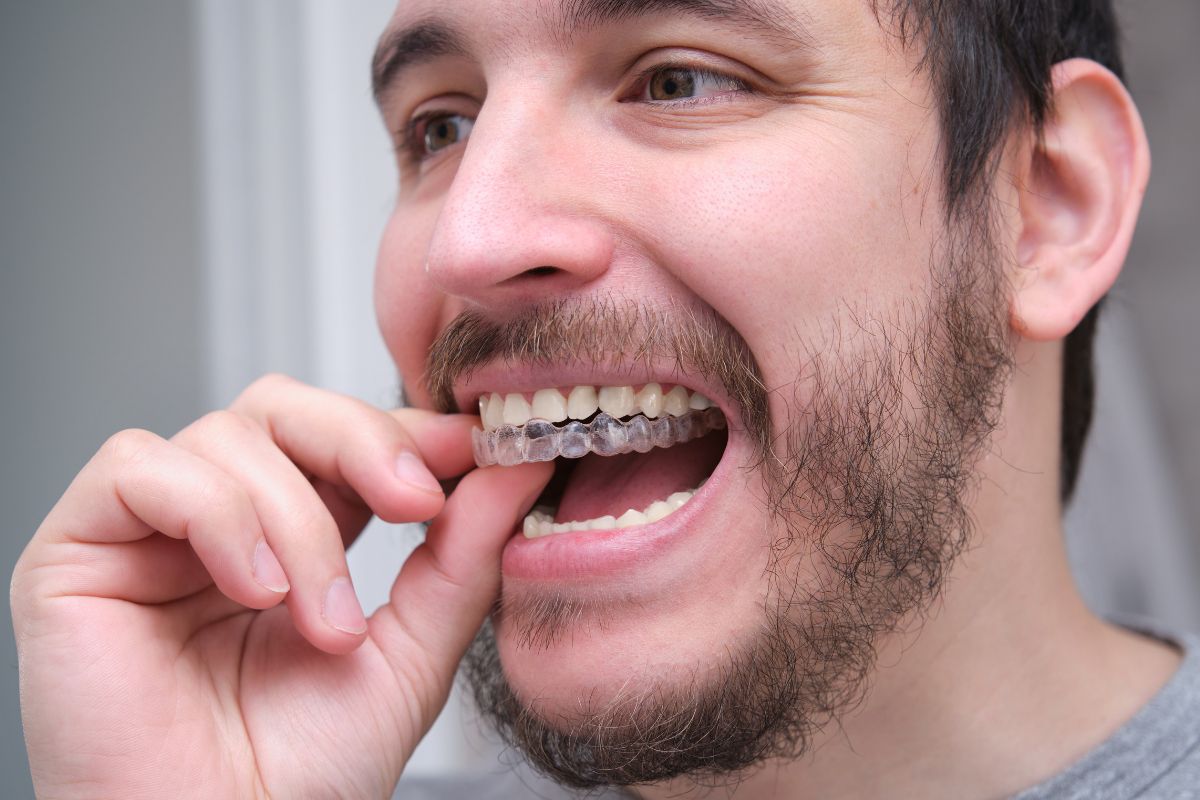
Starting a new set of aligners often comes with noticeable pressure on the teeth. Many people associate that tight feeling with progress, so when aligners suddenly feel more comfortable, it can raise concerns about whether the treatment is still working. If you have ever wondered whether your aligners are doing their job without that familiar pressure, you are not alone.
The good news is that aligners can still work even when they do not feel tight all the time. Tooth movement happens gradually, and the way aligners feel can change throughout treatment. Understanding why this happens can help you feel more confident and stay on track with your smile goals.
Why Aligners Usually Feel Tight at First
Clear aligners are designed to apply gentle and consistent pressure to the teeth. Each tray is slightly different from the previous one, encouraging the teeth to move step by step into their planned positions.
When you first switch to a new tray, the aligners may feel snug because they are beginning a new stage of movement. This pressure is often most noticeable during the first one or two days. After that, the teeth begin adapting to the tray, which naturally reduces the feeling of tightness.
That change does not necessarily mean the aligners have stopped working. In many cases, it means the teeth are responding as expected.
Can Aligners Still Work Without Feeling Tight?
Yes, aligners can still work even when they feel comfortable. Clear aligner treatment relies on controlled and gradual movement rather than constant discomfort. Once the teeth start shifting into the intended position, the trays may no longer feel as tight as they did initially.
Many patients assume pain or pressure is required for treatment to be effective, but that is not always true. Some trays create more noticeable movement than others, while certain stages of treatment involve smaller adjustments.
As long as the aligners fit properly and are being worn consistently, they are likely continuing to guide the teeth according to the treatment plan.
Signs Your Aligners Are Still Working
Even if your aligners do not feel tight, there are several indicators that treatment is progressing normally.
Your Aligners Fit Securely
Aligners should sit closely against the teeth without large gaps or lifting. If they fit snugly and remain in place, they are likely still applying the necessary pressure.
You Notice Small Changes in Your Smile
Tooth movement can be subtle from week to week. You may begin noticing small improvements in spacing, crowding, or alignment over time.
You Are Staying Consistent With Wear Time
Most aligners need to be worn for about 20 to 22 hours per day. Consistent wear helps maintain steady tooth movement, even if the trays feel comfortable.
Your Orthodontist Sees Progress
Regular check-ins are important because some changes are easier for professionals to monitor than patients. A trusted clear aligner provider in Austin can evaluate how your teeth are responding and determine whether everything is moving correctly.
Reasons Aligners May Stop Feeling Tight
There are several normal reasons why aligners may become more comfortable during treatment.
Your Teeth Have Adjusted to the Tray
This is the most common reason. After a few days, the teeth begin settling into their new positions, reducing pressure from the aligners.
The Tray Is Focused on Minor Movements
Not every aligner tray creates dramatic changes. Some are designed for smaller refinements that may not produce strong pressure sensations.
You Have Been Wearing Them Properly
Patients who consistently wear their aligners often experience smoother transitions between trays. When teeth move according to schedule, new trays may feel less intense.
When Should You Be Concerned?
Although comfortable aligners are usually normal, there are situations where you may want to contact your orthodontist.
The Aligners Feel Loose
If the trays no longer fit securely or move around excessively, they may not be tracking properly.
There Are Visible Gaps Between Teeth and Aligners
Small air gaps can sometimes indicate the teeth are not fully fitting into the trays as intended.
You Frequently Forget to Wear Them
Inconsistent wear can affect treatment progress and reduce the effectiveness of each tray.
Your Teeth Do Not Seem to Be Changing
If there has been no noticeable progress for an extended period, it may be time for a professional evaluation.
An experienced provider can assess whether adjustments are needed and help ensure treatment stays on track.
How to Keep Your Aligner Treatment Moving Smoothly
There are several simple habits that can support successful treatment and help your aligners work effectively.
Follow the Recommended Wear Schedule
Keeping aligners in for the recommended number of hours each day is one of the most important factors for success.
Switch Trays Only as Directed
Moving to the next tray too early may interfere with proper tooth movement and affect tracking.
Maintain Good Oral Hygiene
Clean aligners and healthy teeth create a better environment for treatment and improve overall comfort.
Attend Regular Checkups
Routine visits allow your orthodontist to monitor progress and address small issues before they become larger concerns.
Stay Confident in Your Progress With Austin Orthodontic Arts
Feeling less pressure from your aligners does not automatically mean treatment has stopped working. In many cases, it simply means your teeth are adapting as planned. The key is making sure your aligners fit correctly, are worn consistently, and are monitored by an experienced professional. At Austin Orthodontic Arts, our patient-centered approach and commitment to high-quality care help patients feel informed and confident throughout every stage of treatment. If you have questions about your progress or want guidance from a trusted clear aligner provider, schedule an appointment with our dental clinic today and let our team help you stay on track toward a healthier, more confident smile.