 5718 Balcones Dr., Austin, TX 78731
 512-458-4103

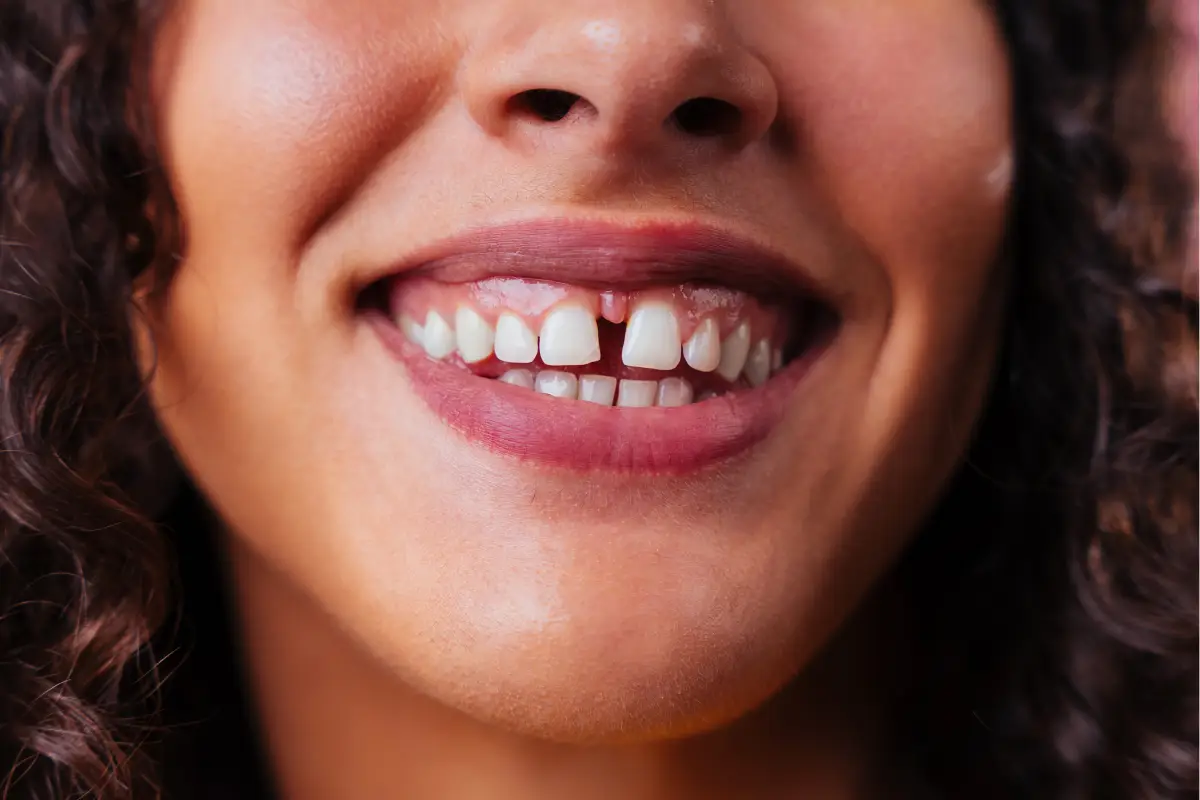
Have you recently noticed a small space between your teeth that wasn’t there before? Or maybe you’ve had one for years and wondered whether it’s something to be concerned about. While some people embrace a gap as part of their smile, others notice it affecting their confidence or daily comfort.
The good news is that a gap between your teeth doesn’t automatically mean something is wrong. In many cases, it’s simply the result of genetics. However, spaces that develop later in life or continue to widen may point to changes in your bite or oral health. Understanding why these spaces form can help you determine whether treatment is needed and which option is right for your smile.
What Is a Tooth Gap?
A space between two teeth is known as a diastema. Although it can occur anywhere in the mouth, it’s most commonly seen between the upper front teeth because it’s the most visible area of your smile.
Some people naturally have gaps between teeth because of the size of their jaw or the shape of their teeth. Others notice spacing develop over time as their teeth gradually shift. What matters most isn’t simply the appearance of the gap—it’s whether it’s affecting your bite, making oral hygiene more difficult, or continuing to change.
Why Do Spaces Develop Between Teeth?
There isn’t a single reason why tooth gaps appear. In many cases, several factors contribute to the spacing.
- Genetics play a significant role. If your jaw is naturally larger than your teeth, extra space may remain between them. This type of spacing often develops early in life and may remain stable for years.
- Natural tooth movement is another common cause. Teeth continue to experience small changes throughout adulthood. Previous orthodontic treatment, missing teeth, or everyday biting forces can gradually change the position of surrounding teeth.
- A habit known as tongue thrusting can also create spacing. Instead of resting against the roof of the mouth during swallowing, the tongue repeatedly presses against the front teeth. Over time, that gentle pressure may slowly move the teeth apart.
- Another possible cause is gum disease. When the tissues and bone supporting the teeth begin to weaken, teeth may loosen and shift. If you’ve noticed a new gap along with bleeding gums or loose teeth, it’s important to schedule an evaluation promptly.
Should You Be Concerned?
Not every gap requires treatment. If your smile has always had a small space and it isn’t changing, it may simply be part of your natural appearance.
However, a gap that develops unexpectedly deserves attention. New spacing can make it easier for food and plaque to collect, increasing the risk of cavities and gum irritation. It may also affect the way your upper and lower teeth fit together, creating uneven pressure when you bite or chew.
The cause of the gap is often more important than the gap itself. Identifying why your teeth have moved allows your orthodontist to recommend treatment that addresses the underlying issue rather than simply closing the space.
Can Tooth Gaps Get Worse?
In many cases, yes. Teeth naturally respond to pressure throughout your life. If the underlying cause isn’t corrected, a small gap may gradually become larger over time.
As spacing increases, your bite can become less balanced. Certain teeth may begin handling more chewing force than others, leading to uneven wear, difficulty chewing, or added stress on your jaw. Addressing spacing concerns early often makes treatment simpler and helps protect your long-term oral health.
How Can Orthodontic Treatment Help?
The best treatment depends on why the gap developed and how your teeth fit together. During an orthodontic evaluation, your provider will assess your bite, tooth alignment, and overall oral health before recommending the most appropriate solution.
For many teens and adults, clear aligners provide an effective way to close mild to moderate spaces while gently guiding teeth into healthier positions. Because the aligners are removable and nearly invisible, they’re a popular option for patients who want a discreet alternative to traditional braces. (Link clear aligners to: https://austinorthodonticarts.com/clear-aligners/)
More complex spacing problems or bite concerns may still benefit from braces, which provide precise control over tooth movement. Your orthodontist will recommend the treatment that best supports both the appearance and long-term function of your smile.
When Should You Schedule an Evaluation?
If you’ve noticed a gap becoming larger, food frequently getting trapped between your teeth, or changes in the way your bite feels, it’s time to have your smile evaluated.
An orthodontic examination helps determine whether the spacing is simply cosmetic or the result of tooth movement, bite changes, or another underlying concern. Digital imaging and a thorough examination allow your orthodontist to create a personalized treatment plan based on your needs.
For patients in Austin, seeking care early can often prevent minor spacing issues from becoming more complicated to correct later.
Frequently Asked Questions
Can gaps between teeth close naturally?
In children, some spaces close as permanent teeth erupt. In adults, gaps usually remain unless treated with orthodontic care or another appropriate dental procedure.
Why did a gap suddenly appear between my front teeth?
New spacing may be caused by natural tooth movement, gum disease, tongue thrusting, or changes in your bite. A professional evaluation can identify the underlying cause.
Are clear aligners good for closing tooth gaps?
Yes. Many mild to moderate spacing concerns respond very well to clear aligners, which gradually move teeth into better alignment using a series of custom-made trays.
Can a tooth gap affect my oral health?
It can. Larger spaces may trap food more easily, increase plaque buildup, and sometimes affect the way your teeth come together when you bite.
Is treatment only recommended for cosmetic reasons?
No. While some people seek treatment to improve their smile, orthodontic care may also improve bite function, oral hygiene, and long-term dental health.
Schedule Your Consultation
A gap between your teeth doesn’t always require treatment, but it should always have an explanation. Whether the spacing has been there for years or you’ve recently noticed changes in your smile, a professional evaluation can help determine the cause and the best way to address it.
At Austin Orthodontic Arts, we create personalized treatment plans designed to improve both the appearance and function of your smile. If you’re ready to explore whether clear aligners are right for you, schedule a consultation with our team and take the first step toward a healthier, more confident smile.
If you’re planning your visit, you can easily find our Austin orthodontic office to get directions before your appointment.