 5718 Balcones Dr., Austin, TX 78731
 512-458-4103

Have you noticed that your teeth seem to be moving closer together than they used to? Maybe a tooth that once looked straight now sits slightly behind another one, or a small amount of crowding has gradually become more noticeable. This can be frustrating, especially if you thought your teeth had already settled into their permanent positions.
If you feel like your crowded teeth are getting worse, you’re not imagining it. Teeth can continue to shift throughout adulthood, and even small changes can become more noticeable over time. The reasons vary, but understanding why your teeth are moving can help you decide what to do next.
Why Do Teeth Start Overlapping?
Teeth are not permanently locked into one position. They are supported by bone, ligaments, and surrounding tissues that can respond to pressure and changes over time.
When there is limited space in the dental arch, even minor movement can cause one tooth to rotate, tilt, or overlap another. This is often described as increasing crowding due to shifting, and it can happen gradually enough that you may not notice the changes right away.
What Causes Teeth to Shift Over Time?
Several factors can contribute to changes in tooth alignment.
Natural Changes With Age
Your mouth can change over time, just like other parts of your body. Subtle changes in the jaw and surrounding tissues may affect how teeth fit together. Years of normal biting and chewing forces can also contribute to gradual movement.
Not Enough Space for All Your Teeth
Some people naturally have less room in their dental arch. When space is limited, teeth may shift or rotate as they compete for room. A small change can eventually make the crowding more noticeable.
Changes After Orthodontic Treatment
Teeth can shift after braces or other orthodontic treatment if they are not properly retained. Retainers help maintain the corrected position while the tissues around the teeth adjust.
Even someone who had straight teeth after treatment years ago may notice new crowding later in life.
Missing Teeth
When a tooth is lost, nearby teeth may gradually move toward the empty space. This movement can affect the alignment of surrounding teeth and sometimes create crowding in other areas.
Bite and Jaw Changes
How your upper and lower teeth come together can influence tooth movement. Uneven pressure from the bite may contribute to changes in alignment over time.
Can Wisdom Teeth Cause Crowding?
Wisdom teeth are often blamed when front teeth begin to overlap, but the situation is more complicated. Research has not shown that wisdom teeth are the sole cause of lower front tooth crowding.
However, crowding can develop around the same time wisdom teeth erupt, which may make the two seem connected. An orthodontic evaluation can help identify what is actually contributing to the changes in your alignment.
Is It Normal for Crowded Teeth to Get Worse?
It can happen. Mild crowding may gradually become more noticeable as teeth continue to shift. The movement is not always dramatic, but small changes can add up over several years.
Crowded teeth can also make some areas more difficult to clean. When teeth overlap, toothbrush bristles and floss may have a harder time reaching certain surfaces. This can allow plaque to build up more easily if daily cleaning becomes difficult.
If you have noticed that your crowded teeth are getting worse, it is a good idea to have your alignment evaluated rather than assuming the movement will stop on its own.
Can Clear Aligners Help With Overlapping Teeth?
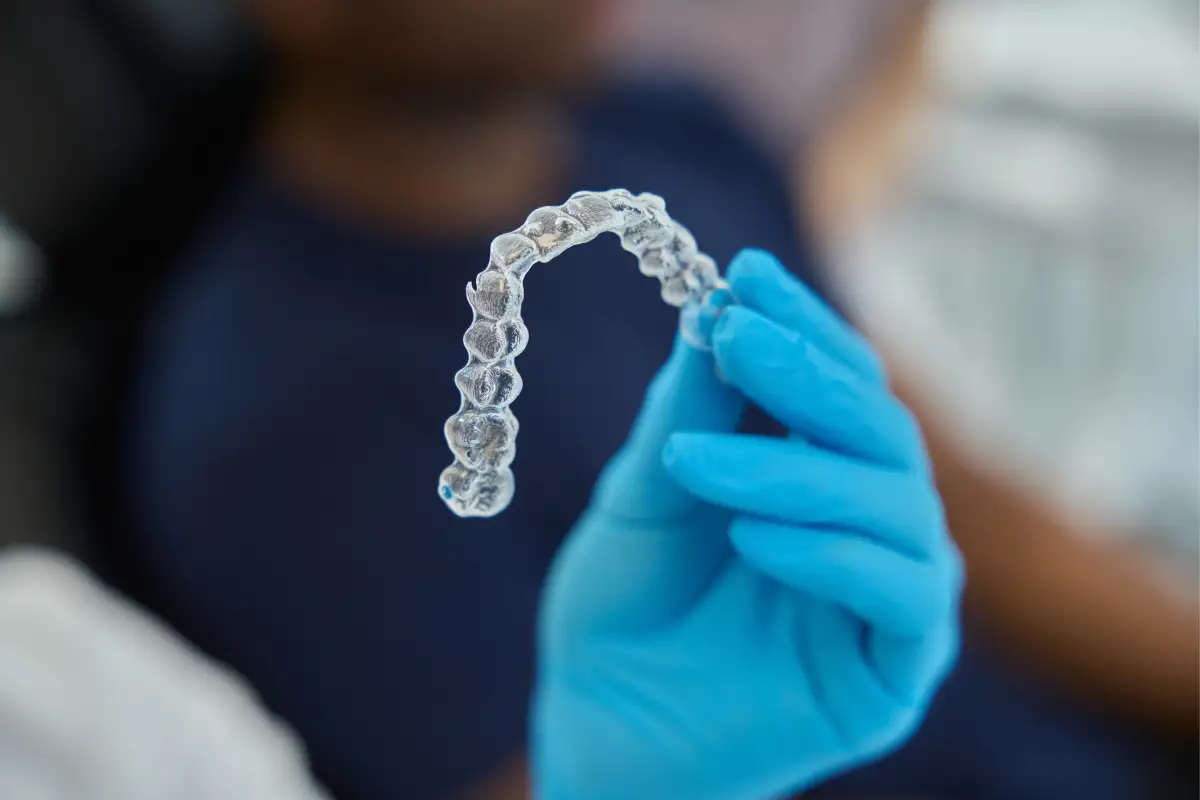
In many cases, clear aligners can help move teeth gradually into better positions. The aligners are custom-made and changed in stages to guide specific teeth over time.
Treatment depends on the cause and severity of the crowding. Some cases are relatively straightforward, while others may require a more detailed orthodontic plan.
For people exploring treatment options for mild to moderate crowding, clear aligner treatment may help address overlapping or shifting teeth after an orthodontic evaluation determines whether it is appropriate.
What Happens If You Ignore Shifting Teeth?
Not every small change in alignment requires immediate treatment. However, continued shifting can sometimes make crowding more noticeable or create additional difficulty when brushing and flossing.
Overlapping teeth may also affect how your teeth come together when you bite. The impact varies from person to person, which is why an evaluation can be helpful when changes continue.
The sooner you understand why your teeth are moving, the easier it may be to discuss the available options.
When Should You See an Orthodontist?
Consider having your teeth evaluated if you notice:
- Teeth overlapping more than they did before
- A tooth that has started rotating or moving out of line
- Increasing difficulty flossing between crowded teeth
- Changes in how your teeth fit together
- Previous orthodontic treatment followed by noticeable shifting
- Crowding that continues to worsen over time
An orthodontist can assess your current alignment and determine whether the changes are minor or likely to continue.
Can You Stop Your Teeth From Shifting?
The best approach depends on why the movement is happening. Retainers may help maintain teeth after orthodontic treatment, while other situations may require orthodontic treatment to correct crowding that has already developed.
Trying to force teeth back into place with unproven at-home methods can cause harm. If you are concerned about shifting, professional guidance can help you understand what is happening and whether treatment is necessary.
Don’t Ignore Changes in Your Alignment
Seeing your teeth overlap more each year can be concerning, but gradual shifting is not unusual. Limited space, natural changes over time, missing teeth, bite changes, and movement after previous orthodontic treatment can all contribute.
The important thing is to pay attention to changes rather than assuming they are only cosmetic. If crowding is becoming more noticeable, an orthodontic evaluation can help explain why it is happening and what options may be available.
At Austin Orthodontic Arts, the focus is on understanding each patient’s alignment and recommending an approach based on their individual needs. If you’re ready to find out what may be causing your teeth to shift, request an appointment to discuss your concerns with an orthodontic professional.
If you’re planning your visit and need help finding the office, see where the office is located.
Frequently Asked Questions
1. Why are my teeth becoming more crowded as I get older?
Teeth can gradually shift over time because of limited space, natural changes in the mouth, bite forces, missing teeth, or movement after previous orthodontic treatment.
2. Can teeth overlap more after braces?
Yes. Teeth can shift after orthodontic treatment, particularly if retainers are not worn as recommended or changes occur over time.
3. Are wisdom teeth causing my teeth to overlap?
Wisdom teeth are not considered the sole cause of crowding. Other factors, including natural tooth movement and limited space, may also contribute.
4. Can clear aligners fix overlapping teeth?
Clear aligners can help correct many cases of crowding and overlapping teeth. An orthodontic evaluation can determine whether they are suitable for your specific situation.
5. Will crowded teeth keep getting worse?
Crowding may continue to change over time, although the amount of movement varies. If you notice ongoing changes, an evaluation can help determine the cause and appropriate next steps.