 5718 Balcones Dr., Austin, TX 78731
 512-458-4103
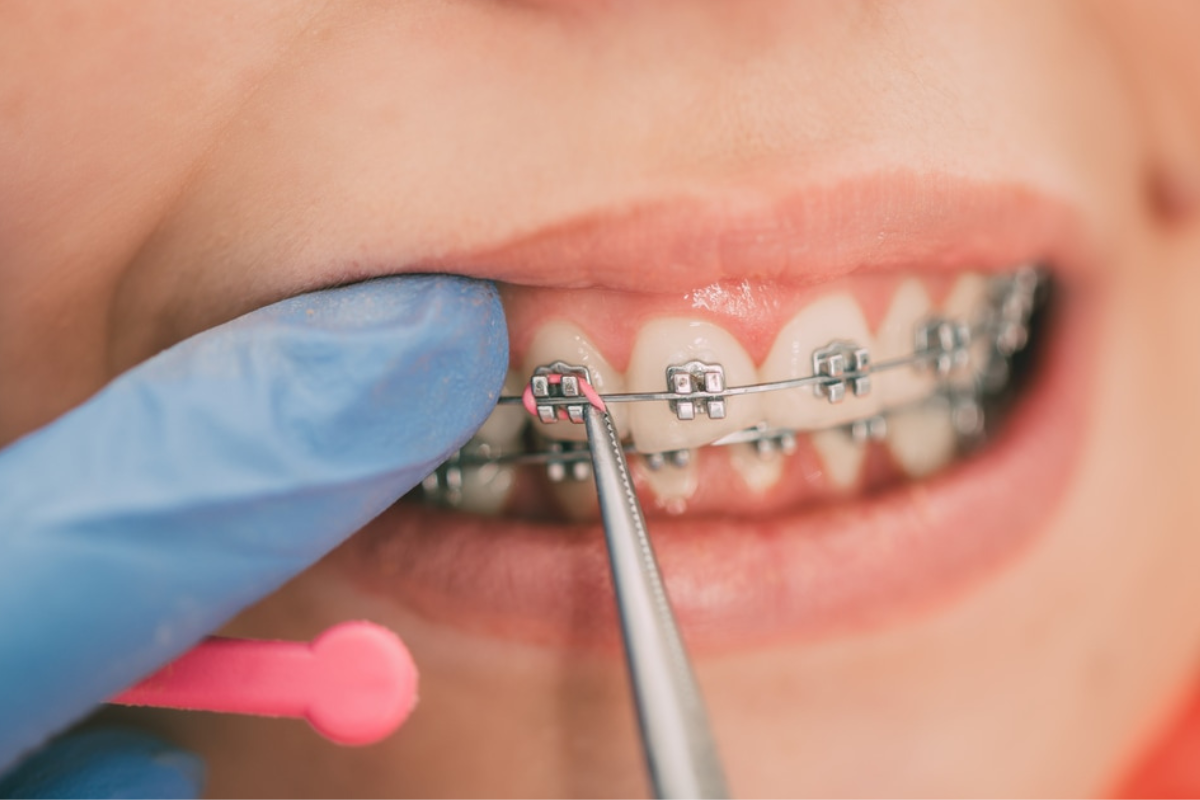
Getting braces is a significant step toward achieving a healthier, more confident smile. Whether you’re new to braces or have had them for a while, one common question is: What foods can I eat with braces? Proper nutrition and food choices are essential not only for your overall health but also to protect your braces and ensure a smooth orthodontic journey.
If you’re seeking braces in Austin, understanding the right dietary habits can make your treatment more comfortable and effective. This guide will help you navigate your food choices, while also touching on related oral health topics, such as the role of an oral surgeon and how to maintain your dental health during orthodontic treatment.
Why Food Choices Matter with Braces
Braces work by gently moving your teeth into their correct position over time. This process requires careful attention to oral hygiene and diet. Eating certain foods can damage brackets, bend wires, or cause discomfort, potentially prolonging your treatment.
Choosing foods that are gentle on your braces helps:
- Prevent damage to braces components
- Reduce discomfort during treatment
- Maintain good oral hygiene
- Support overall dental health
At the same time, maintaining a balanced diet ensures you get essential nutrients to promote healthy teeth and gums.
Foods You Can Safely Enjoy with Braces
When considering braces in Austin, it’s important to know which foods are safe and friendly for your orthodontic appliances.
Soft Fruits and Vegetables
Soft fruits like bananas, berries, peaches, and melons are excellent choices. They are easy to chew and won’t harm your braces. Steamed or cooked vegetables such as carrots, spinach, and zucchini are also braces-friendly options. These foods provide essential vitamins and minerals to support your oral health.
Dairy Products
Dairy products like yogurt, soft cheese, and milk are packed with calcium and vitamin D, which strengthen your teeth and bones. These foods are also soft, making them easy to eat with braces.
Protein Sources
Tender proteins such as scrambled eggs, soft-cooked chicken, fish, tofu, and well-cooked beans are ideal. Avoid tough or chewy meats that could get stuck in braces or damage the hardware.
Grains and Carbohydrates
Soft grains such as oatmeal, rice, pasta, and soft bread are excellent staples. Whole grains offer fiber and nutrients important for your health, and when prepared properly, they pose no risk to your braces.
Snacks and Treats
If you crave a snack, opt for softer options like pudding, applesauce, or smoothies. These satisfy your sweet tooth while being gentle on your braces.
Foods to Avoid with Braces
Certain foods can cause significant damage to braces or create challenges for oral hygiene. It’s best to avoid or limit:
- Sticky foods like caramel, chewing gum, and taffy can cling to braces and wires
- Hard foods such as nuts, popcorn, ice, and hard candies which can break brackets or bend wires
- Crunchy raw vegetables and fruits like apples and carrots unless cut into small, manageable pieces
- Chewy breads or bagels that can be tough to bite through
- Sugary snacks and sodas that increase the risk of tooth decay around braces
Being mindful of these foods helps keep your braces intact and your mouth healthy.
Managing Discomfort and Eating After Oral Surgery
Sometimes orthodontic treatment requires the expertise of an oral surgeon. If you’ve had procedures like tooth extractions or other oral surgeries, your diet needs to be adjusted accordingly.
An oral surgeon, whether in Little Rock or elsewhere, typically recommends a soft or liquid diet immediately following surgery. Foods like soups, smoothies, mashed potatoes, and gelatin are ideal during the healing phase. Avoid hot, spicy, or acidic foods that could irritate the surgical site.
After surgery, gradually reintroduce firmer foods as comfort allows, always following your oral surgeon’s guidance to ensure proper healing.
Tips for Eating with Braces
To make your eating experience more comfortable while wearing braces, consider the following tips:
- Cut food into smaller, bite-sized pieces to reduce pressure on braces
- Chew slowly and carefully using your back teeth when possible
- Use orthodontic wax to cover any brackets or wires causing irritation
- Rinse your mouth after meals to remove food particles trapped in braces
- Maintain regular dental checkups and cleanings to ensure good oral hygiene
These habits support your treatment progress and prevent complications.
The Importance of Expert Care
When you choose braces in Austin or braces in Austin, TX, working with experienced orthodontists and dental professionals ensures you receive personalized guidance tailored to your needs. They help you understand how to care for your braces, what foods to eat or avoid, and how to manage any discomfort or challenges.
Moreover, if your treatment involves surgical care, collaborating with a trusted oral surgeon—whether in Little Rock or your local area—provides comprehensive support for complex cases. These experts work together to optimize your oral health and the success of your orthodontic treatment.
Final Thoughts
Eating with braces doesn’t have to be restrictive or uncomfortable. By making mindful food choices and following your orthodontic team’s recommendations, you can maintain a balanced diet, protect your braces, and enjoy the journey toward a beautiful smile. If you have any questions or need personalized advice, don’t hesitate to schedule an appointment with us.
Our dental clinic is dedicated to providing expert advice, compassionate care, and ongoing support to help you thrive throughout your orthodontic treatment. We’re here to ensure your experience with braces is as smooth and successful as possible.