 5718 Balcones Dr., Austin, TX 78731
 512-458-4103

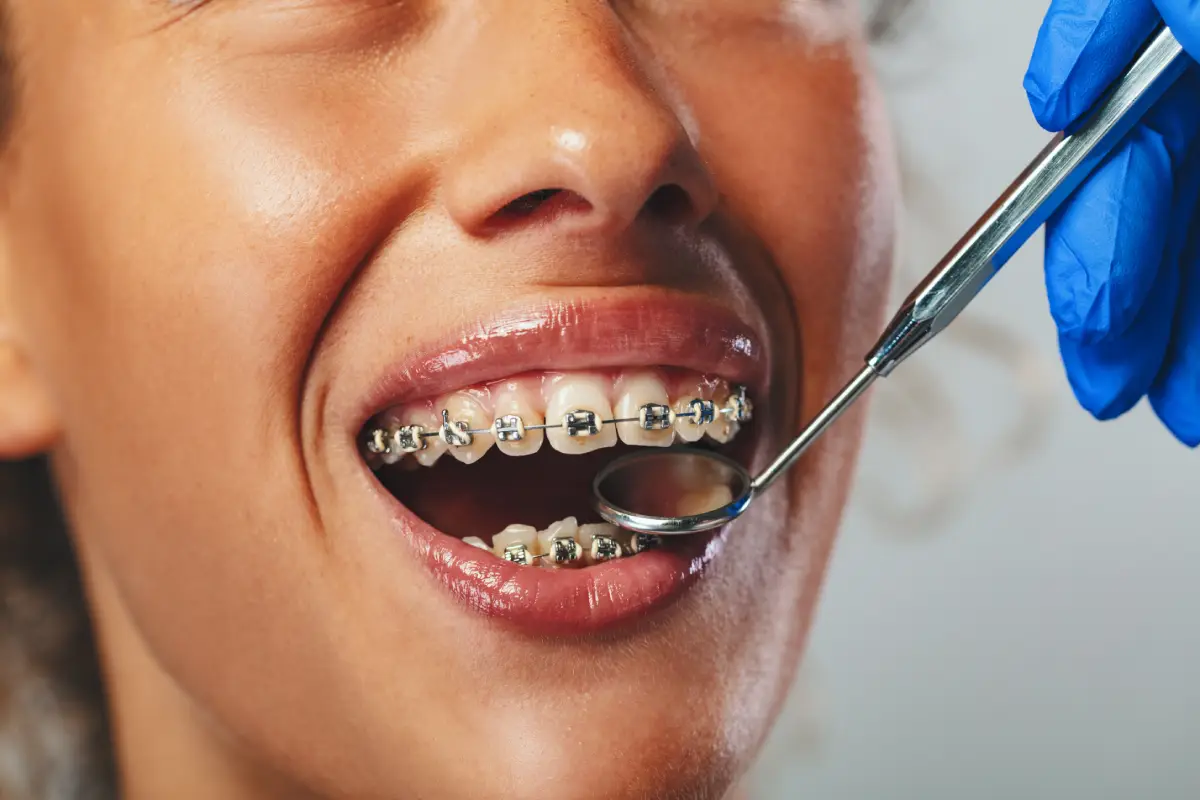
All teeth experience some wear over a lifetime, but it’s not supposed to happen at drastically different rates across your mouth. Uneven tooth wear, where certain teeth look noticeably shorter, flatter, or thinner than others, is usually a sign that something specific is putting extra pressure on those particular teeth.
At Austin Orthodontic Arts, this pattern comes up often during exams, and it typically points back to one of a few underlying causes tied closely to how your bite functions.
When uneven wear is caused by a bite that isn’t properly aligned, correcting the position of your teeth can help distribute chewing forces more evenly and reduce additional wear over time.
A Misaligned Bite
When the upper and lower teeth don’t meet evenly, certain teeth end up absorbing far more pressure than others every time you bite or chew. Over months and years, this concentrated force accelerates wear on those specific teeth, while others that see less contact remain relatively unaffected. This is one of the most common reasons uneven wear develops gradually without an obvious single cause.
Teeth Grinding or Clenching
Grinding, particularly during sleep, doesn’t always affect every tooth equally. Depending on jaw position and how the teeth come together during grinding episodes, certain teeth can bear a disproportionate amount of the force, leading to noticeably more wear in specific spots compared to the rest of the mouth.
Missing or Shifted Teeth Changing the Bite
When a tooth is missing or has shifted out of its original position, it changes how the remaining teeth make contact with each other. This can shift chewing forces onto teeth that weren’t designed to handle that extra load, leading to more rapid wear in those areas over time.
Concerned that some of your teeth are wearing down faster than others? Schedule a bite evaluation so we can identify the cause and recommend the most appropriate treatment.
One-Sided Chewing Habits
Favoring one side of the mouth while eating, often due to discomfort on the other side or simple habit, concentrates a disproportionate amount of chewing force on that side over time. This can lead to more noticeable wear on the teeth used most often, compared to the side that’s chewed on less frequently.
Enamel Differences From Tooth to Tooth
While less common, some people naturally have slightly thinner or weaker enamel on certain teeth, sometimes due to how those teeth developed. This can make specific teeth more prone to wear even under otherwise normal chewing forces.
Why Bite Problems Are Often the Root Cause
Since so many causes of uneven wear trace back to how the teeth come together, a bite evaluation is often a key part of figuring out what’s really going on. An orthodontic assessment can reveal whether your bite is contributing to the pattern of wear you’re noticing, which is important information for determining the right long-term fix.
Why It’s Worth Addressing
Left unaddressed, uneven wear tends to continue and can even accelerate, since the imbalance in force distribution generally doesn’t correct itself. Over time, this can lead to increased sensitivity on affected teeth, a higher risk of chipping or fracture, and further changes to your bite as the pattern progresses.
What Can Help
Depending on the underlying cause, treatment might involve a custom nightguard to protect against grinding, orthodontic treatment to correct bite alignment, or restorative work to rebuild teeth that have already experienced significant wear. In many cases, addressing the alignment issue itself is what ultimately stops the uneven wear from continuing.
Don’t Let Uneven Wear Continue
Teeth don’t wear down unevenly without a reason. Whether the cause is grinding, missing teeth, or an imbalanced bite, identifying the source early can help prevent additional damage and preserve your natural teeth. At Austin Orthodontic Arts, we help patients throughout Austin, TX understand how their bite affects long-term oral health and recommend personalized treatment when needed. Visit our Austin orthodontic office to find out what’s causing the uneven wear and how it can be corrected.
FAQs
1. Why are some of my teeth wearing down faster than others?
Uneven tooth wear is often caused by bite misalignment, teeth grinding, missing teeth, or habits that place more pressure on certain teeth.
2. Can an uneven bite cause tooth wear?
Yes. When your teeth don’t come together evenly, some teeth absorb more chewing force than others, causing them to wear down more quickly.
3. Is uneven tooth wear a sign of grinding?
It can be. Many people grind or clench their teeth during sleep without realizing it, and this often leads to uneven wear patterns.
4. Can uneven tooth wear be fixed?
The worn teeth can often be restored, but it’s important to correct the underlying cause—such as bite alignment or grinding—to prevent further damage.
5. When should I have uneven tooth wear evaluated?
If you notice flattened, chipped, or shortened teeth, increased sensitivity, or changes in your bite, it’s a good idea to schedule a professional evaluation.