 5718 Balcones Dr., Austin, TX 78731
 512-458-4103
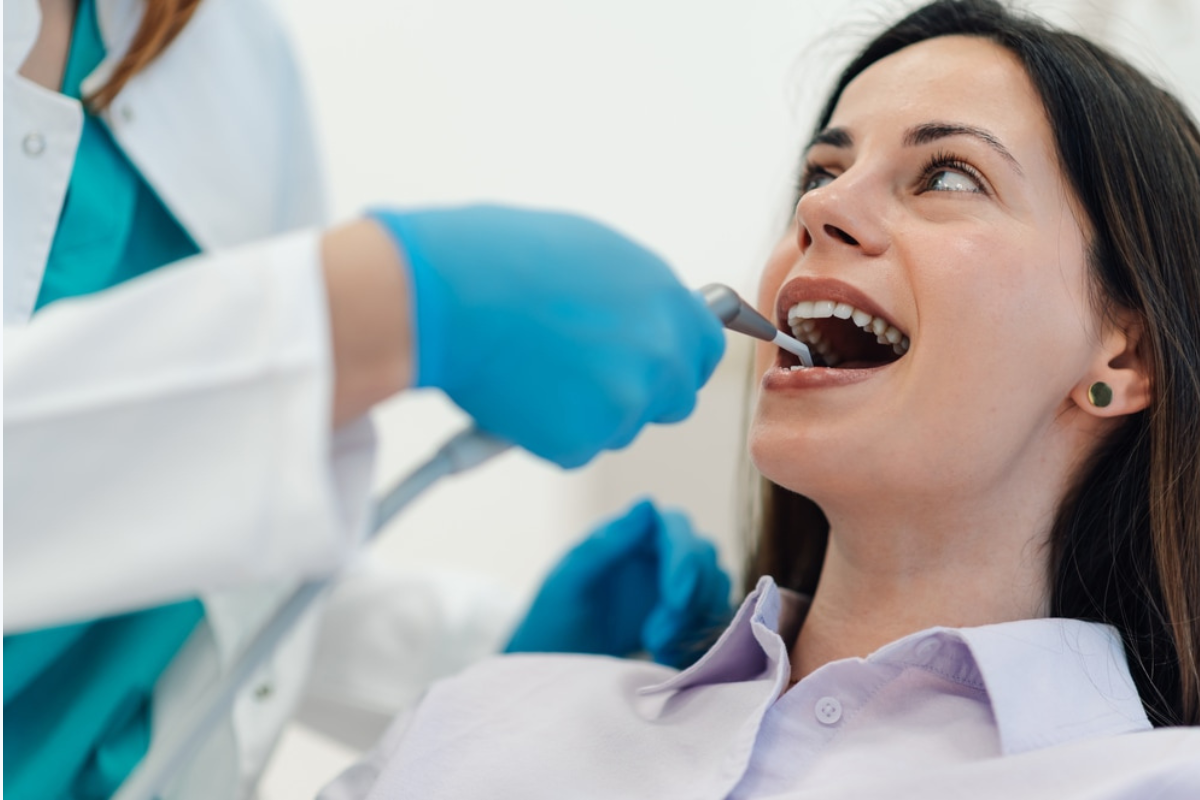
Something that feels off with your teeth or jaw can quietly affect your daily life. You may not even realize how much it bothers you constantly. Discomfort builds over time, and what starts small can turn into something that interferes with how you feel every day. Many people wait, thinking it will pass or is not serious enough, but ignoring the signs often leads to significant problems later.
Beyond cosmetic concerns, an Austin orthodontist focuses on ensuring oral health functions well without complications. You can also be a sufferer if you do not learn the signs of when to visit an orthodontist. Continue reading to discover the key symptoms of your dental health necessitating medical assistance.
1. Crowded or Crooked Teeth
When teeth are too close together or overlap, it can be difficult to keep them clean. This increases the risk of plaque buildup, gum disease, and tooth decay.
Crowding can also affect your bite and make you more prone to issues like jaw pain and enamel wear. A skilled Austin orthodontist can assess the degree of crowding and offer guidance on how to correct it for improved function and hygiene.
Difficulty Brushing or Flossing
When teeth overlap, it becomes difficult to clean them properly. This increases your risk of plaque buildup, cavities, and gum disease.
Uneven Tooth Wear
Crowded or misaligned teeth may lead to uneven tooth wear, causing long-term damage and sensitivity.
2. Overbite or Underbite
An overbite or underbite is a clear indicator that you may need orthodontic treatment.
Overbite
This occurs when the upper front teeth significantly overlap the lower teeth. It can cause jaw pain and even speech issues.
Underbite
An underbite happens when the lower teeth protrude beyond the upper teeth. This misalignment may affect chewing and speaking clearly.
3. Jaw Pain or Clicking Sounds
Persistent jaw pain or clicking noises when you open or close your mouth should not be ignored. These symptoms can indicate temporomandibular joint (TMJ) dysfunction or other alignment problems.
An Austin orthodontist can help determine whether your jaw pain is linked to your bite and provide recommendations to alleviate discomfort.
Clicking or Popping Noises
Sounds coming from your jaw when you chew or talk may indicate temporomandibular joint (TMJ) issues, which often require orthodontic intervention.
Frequent Jaw Discomfort
If your jaw feels sore after eating or talking, misalignment might be to blame, and an Austin orthodontist can help.
4. Difficulty Chewing or Biting
Struggling to chew food properly is often a sign that your bite is misaligned. Whether it’s due to an overbite, underbite, or crossbite, bite issues can lead to discomfort and improper digestion.
An evaluation by an orthodontist in Austin can help identify the root cause and guide you toward a more comfortable, functional bite.
Misaligned Bite
Problems with how your teeth come together can lead to discomfort and digestive issues due to improper chewing.
Food Getting Stuck
Misaligned teeth may create pockets where food gets trapped, making eating difficult and increasing cavity risk.
5. Speech Impediments
Orthodontic issues can sometimes affect the way you speak.
Lisp or Difficulty Pronouncing Words
Misaligned teeth or jaw structures may interfere with your ability to articulate sounds clearly.
Tongue Thrusting
This occurs when the tongue pushes against the teeth during speech, which can worsen alignment problems over time.
6. Mouth Breathing
Mouth breathing is not only a habit but also a potential sign of orthodontic issues.
Breathing Through the Mouth at Night
This can dry out the mouth and contribute to dental issues like bad breath and gum disease.
Jaw Development Issues
Consistent mouth breathing can impact the natural growth and alignment of the jaw, especially in children.
7. Teeth Grinding or Clenching
Chronic grinding or clenching—also known as bruxism—can lead to serious dental problems.
Worn-Down Teeth
Grinding can cause excessive wear on your enamel, leading to sensitivity and damage.
Jaw Tension
Clenching puts pressure on the jaw and may result in TMJ disorders or chronic headaches.
8. Gaps Between Teeth
On the opposite end of the spectrum, excessive spacing between teeth can also pose challenges. Gaps may cause food to become trapped, which can lead to gum irritation and cavities.
Even small gaps can impact the way your teeth come together when you bite, which may affect your speech and chewing efficiency.
Food Getting Stuck
Large gaps can trap food particles, making it harder to maintain oral hygiene.
Aesthetic Concerns
Gaps may also affect your confidence when smiling or speaking, which an orthodontist in Austin can help address.
9. Early or Late Loss of Baby Teeth
For children, the timing of losing baby teeth plays a crucial role in their orthodontic health.
Premature Loss
Losing teeth too early can cause neighboring teeth to shift into empty spaces, leading to misalignment.
Delayed Tooth Loss
If baby teeth stick around too long, they can block the eruption of permanent teeth, requiring orthodontic correction.
10. Family History of Orthodontic Problems
Genetics plays a significant role in determining whether you’ll need orthodontic care.
Inherited Misalignments
If parents or siblings have needed braces or other orthodontic treatment, there’s a higher chance you will too.
Preventative Monitoring
Seeing an Austin orthodontist for early evaluations can prevent minor issues from becoming major concerns later on.
Fixing These Issues Starts With An Orthodontic Visit
These issues do not fix themselves and might develop into severe oral concerns when left untreated for long. When you know the trouble, addressing it to a dental professional should be your next step to prevent further damage and complications.
If you live nearby, a trusted orthodontist in Austin can help you determine the root cause while starting treatment immediately without further delay. Austin Orthodontic Arts is here when you are ready. Book now, and stop brushing off what your body is trying to tell you. Schedule an appointment today to take the first step toward a healthier, more functional smile. At our dental clinic, we’re committed to providing thoughtful, personalized care in a comfortable and welcoming environment.